



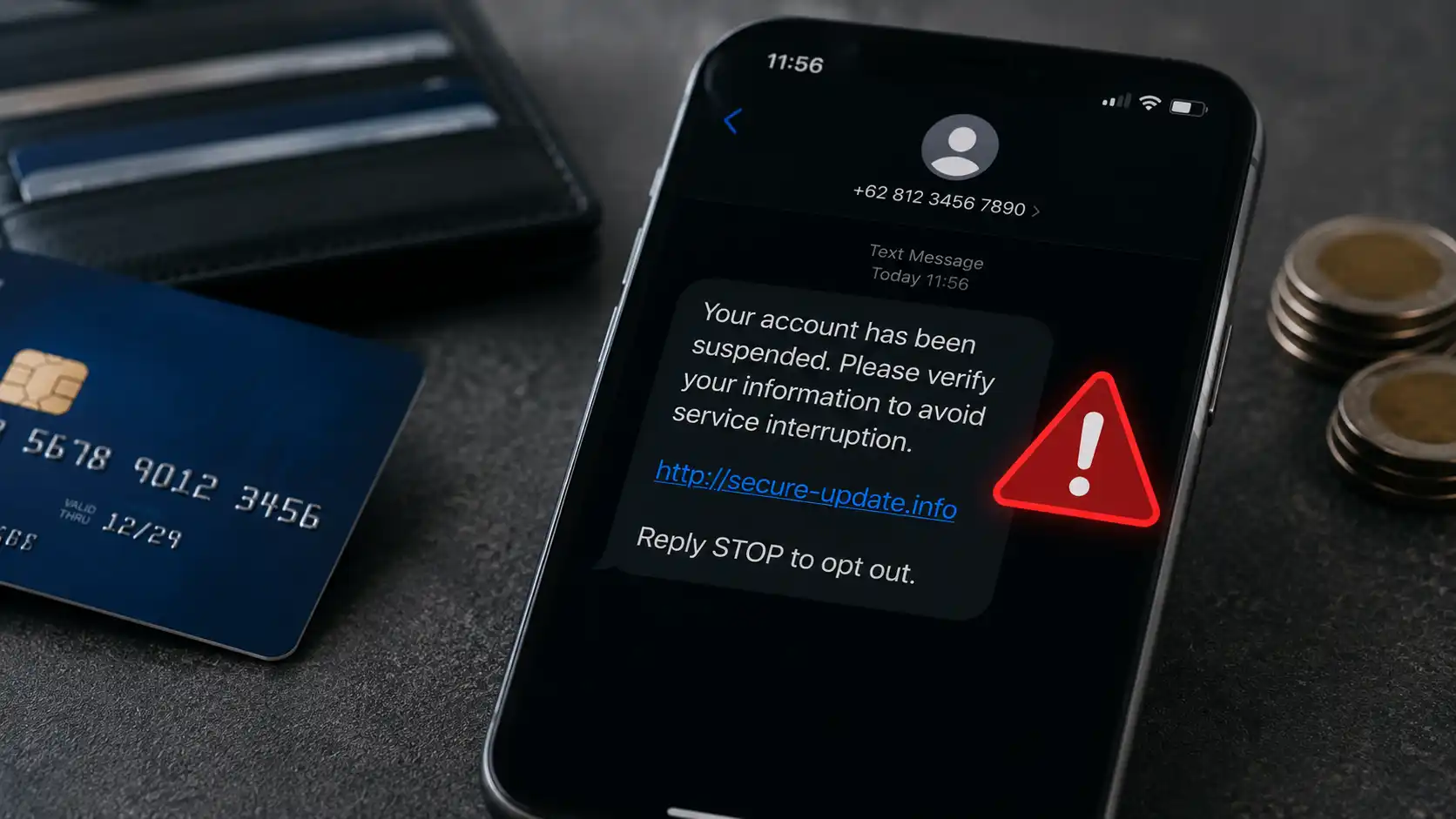
Most people picture a cyber attack as something dramatic. Code scrolling down a screen, firewalls falling over, an alarm somewhere. The reality is far more ordinary. A delivery notification arrives by text. A supplier emails an updated invoice. A login prompt appears at the exact moment someone expected one. Nothing is broken into. Nobody writes malware. A person simply does what the message asked,

Ten years ago, protecting a business network mostly meant protecting an office. Staff logged into a desktop that never left the building and went home again. Today the office is wherever your team happens to be — a laptop on a kitchen table, a phone checking email in a car park, a tablet a contractor bought themselves. Every one of those devices is an

Most breaches do not begin with a genius in a hoodie defeating a firewall. They begin with something ordinary: a password reused across three accounts, a server that missed an update, a contractor whose login still works two years after the job finished. That is the uncomfortable part. Attacks rarely succeed because a business was careless. They succeed because a small, unremarkable weakness sat

Most business owners do not think about cyber security until something goes wrong. A staff member clicks a link that looks ordinary. An invoice is paid into a bank account that belongs to someone else. A file server locks up on a Monday morning and nobody can open a document. Attackers no longer choose targets by size. They choose by opportunity, and smaller organisations