



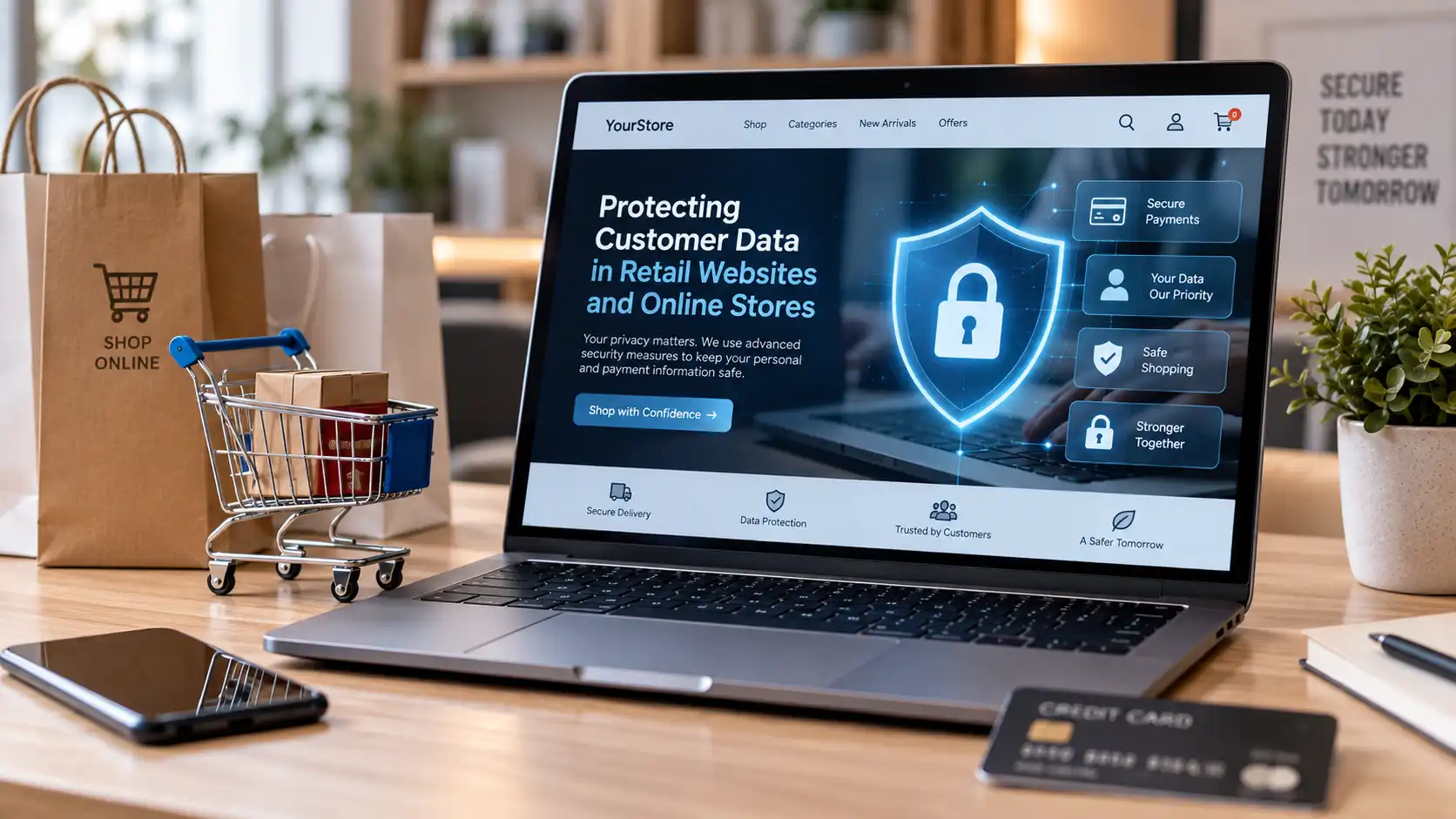
Every online order leaves a trail. A name, an email address, a delivery address, an order history and sometimes a stored card token — gathered in seconds at checkout, then scattered across a website database, an email platform, a shipping tool and a spreadsheet somebody exported two years ago and never deleted. Most retailers file that information under admin. Attackers treat it as inventory.
Online security in retail used to be a business of doors, keys and a cash drawer. Lock up at close, bank the takings, done. The modern version looks nothing like that. A single store might run an online shop, a payment gateway, a click-and-collect system, a supplier portal, a point-of-sale terminal and a customer database — most of it hosted elsewhere and reachable
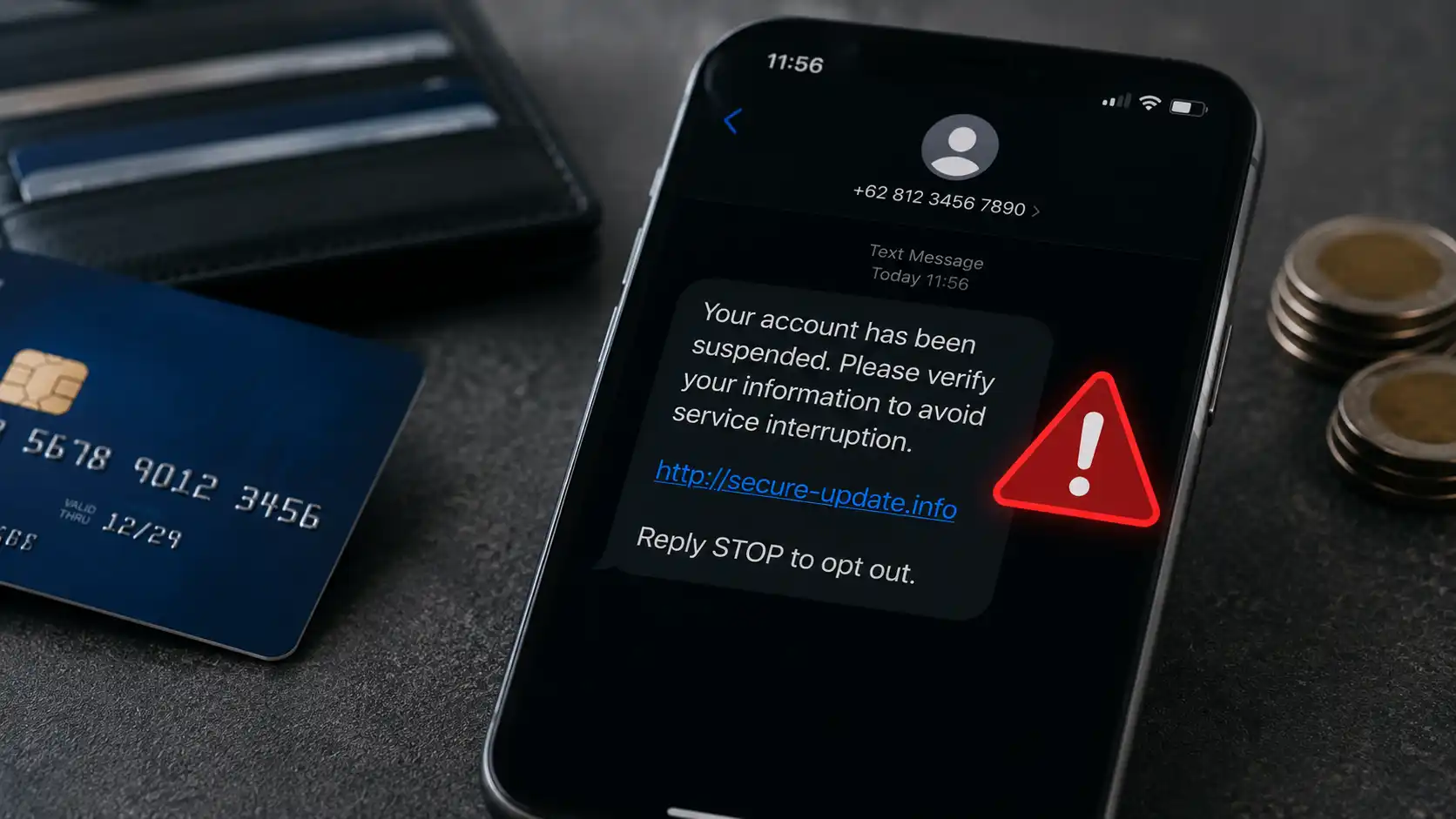
Most people picture a cyber attack as something dramatic. Code scrolling down a screen, firewalls falling over, an alarm somewhere. The reality is far more ordinary. A delivery notification arrives by text. A supplier emails an updated invoice. A login prompt appears at the exact moment someone expected one. Nothing is broken into. Nobody writes malware. A person simply does what the message asked,
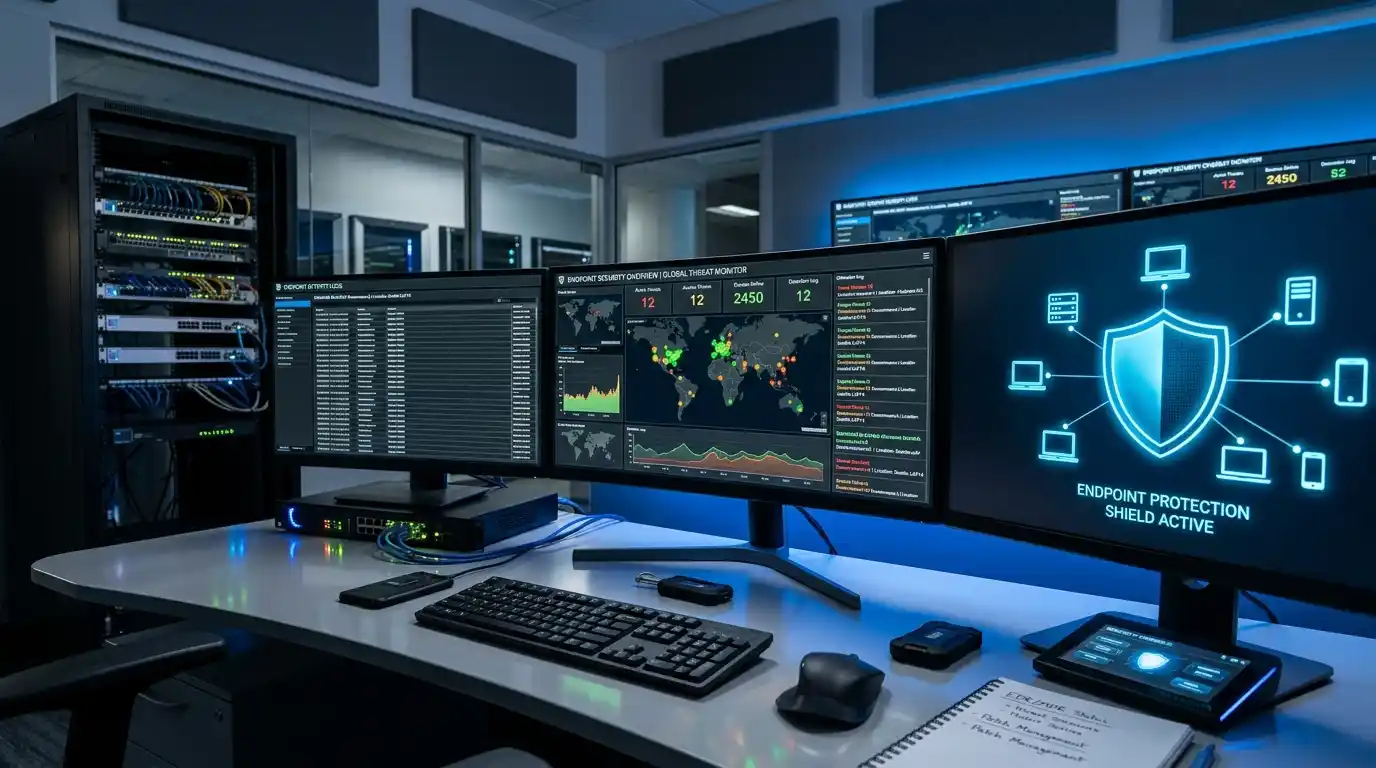
Ten years ago, protecting a business network mostly meant protecting an office. Staff logged into a desktop that never left the building and went home again. Today the office is wherever your team happens to be — a laptop on a kitchen table, a phone checking email in a car park, a tablet a contractor bought themselves. Every one of those devices is an

Most breaches do not begin with a genius in a hoodie defeating a firewall. They begin with something ordinary: a password reused across three accounts, a server that missed an update, a contractor whose login still works two years after the job finished. That is the uncomfortable part. Attacks rarely succeed because a business was careless. They succeed because a small, unremarkable weakness sat
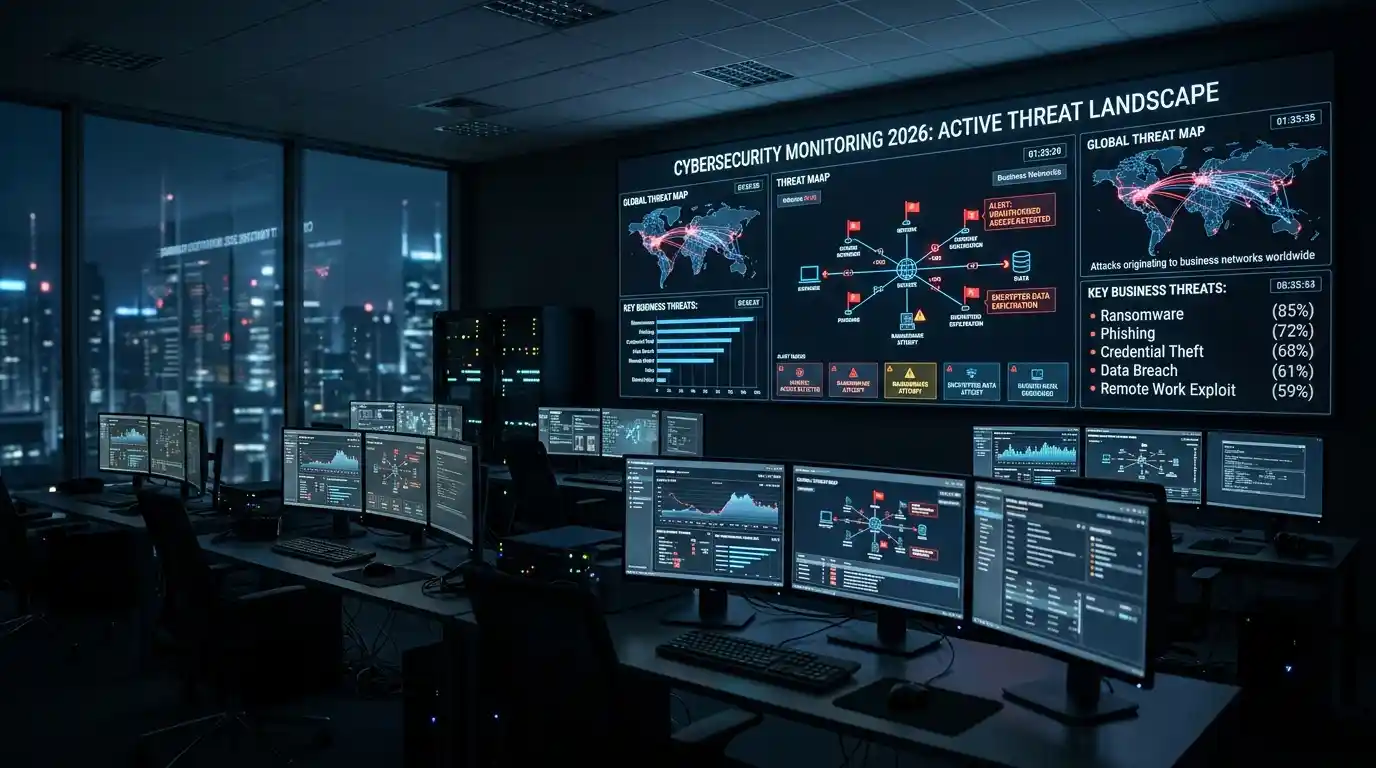
Most business owners do not think about cyber security until something goes wrong. A staff member clicks a link that looks ordinary. An invoice is paid into a bank account that belongs to someone else. A file server locks up on a Monday morning and nobody can open a document. Attackers no longer choose targets by size. They choose by opportunity, and smaller organisations

Healthcare is evolving rapidly. Clinics, hospitals, and allied health providers are no longer relying solely on paper files and manual processes. Instead, they are adopting smart systems, AI-driven diagnostics, and digital patient records to improve care and efficiency. At the same time, many providers are rethinking how their technology environments are structured, supported, and secured, often turning to experienced partners like ICTechnology to better
Schools today rely heavily on data protection and digital platforms. From enrolment forms and parent portals to learning management systems and payment gateways, vast amounts of sensitive information are handled online every single day. Student records, medical details, behavioural reports, family contact information and financial data now live inside websites and internal systems rather than locked filing cabinets. With this shift comes a serious
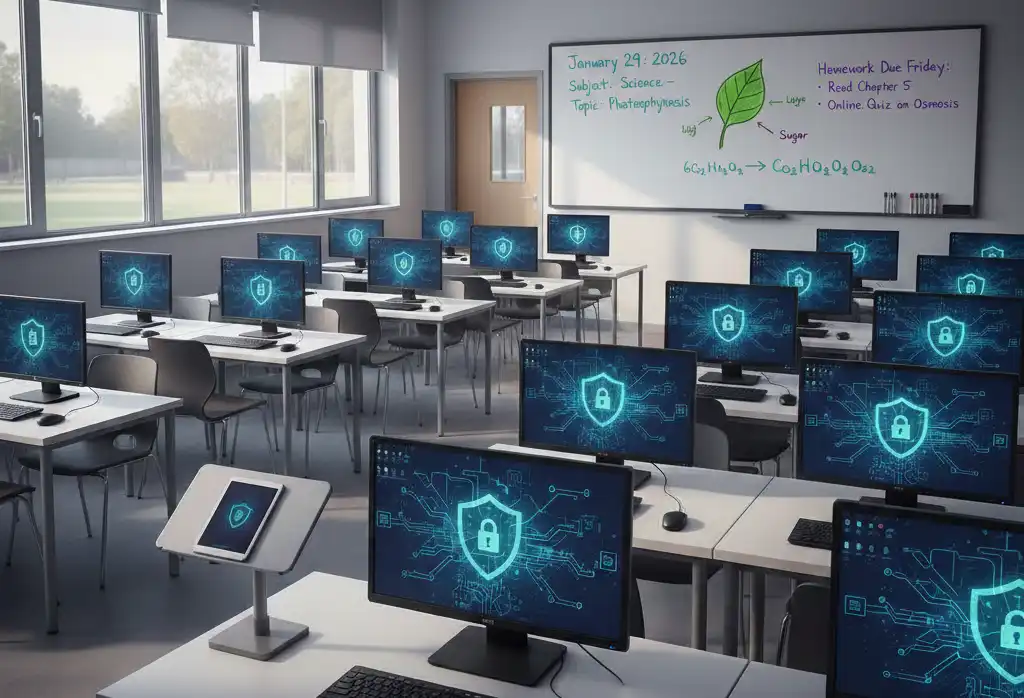
Every February, Safer Internet Day serves as a timely reminder that the digital world our schools operate in is constantly evolving. Classrooms are no longer confined to four walls. Learning platforms, cloud storage, online assessments, communication tools, and student portals have become part of everyday education. While this digital shift has unlocked enormous opportunity, it has also introduced new risks that schools can

Cyber security is no longer a concern reserved for large enterprises with deep pockets and in-house IT teams. As we move towards 2026, small and medium-sized businesses are firmly in the crosshairs of cybercriminals. Not because they are careless, but because they are often busy, growing, and juggling multiple priorities — which makes them attractive targets. Over the past few years, cyber threats have