




It is 7am on a pour day. The trucks are booked and the crew is on site, but the site manager cannot open the latest approved drawings. The site modem dropped out overnight, and nobody noticed until now. Drawings, safety forms, variations, timesheets and supplier orders all move through devices, cloud apps and networks. When those systems fail and nobody finds out until someone

Technology now sits at the centre of almost every business. Emails, customer records, cloud applications, payment systems, websites, communications and daily operations all depend on reliable IT infrastructure. When everything works, technology can make a business faster, more productive and easier to manage. When it fails, however, employees may be unable to work, customers can become frustrated and important business information may be placed
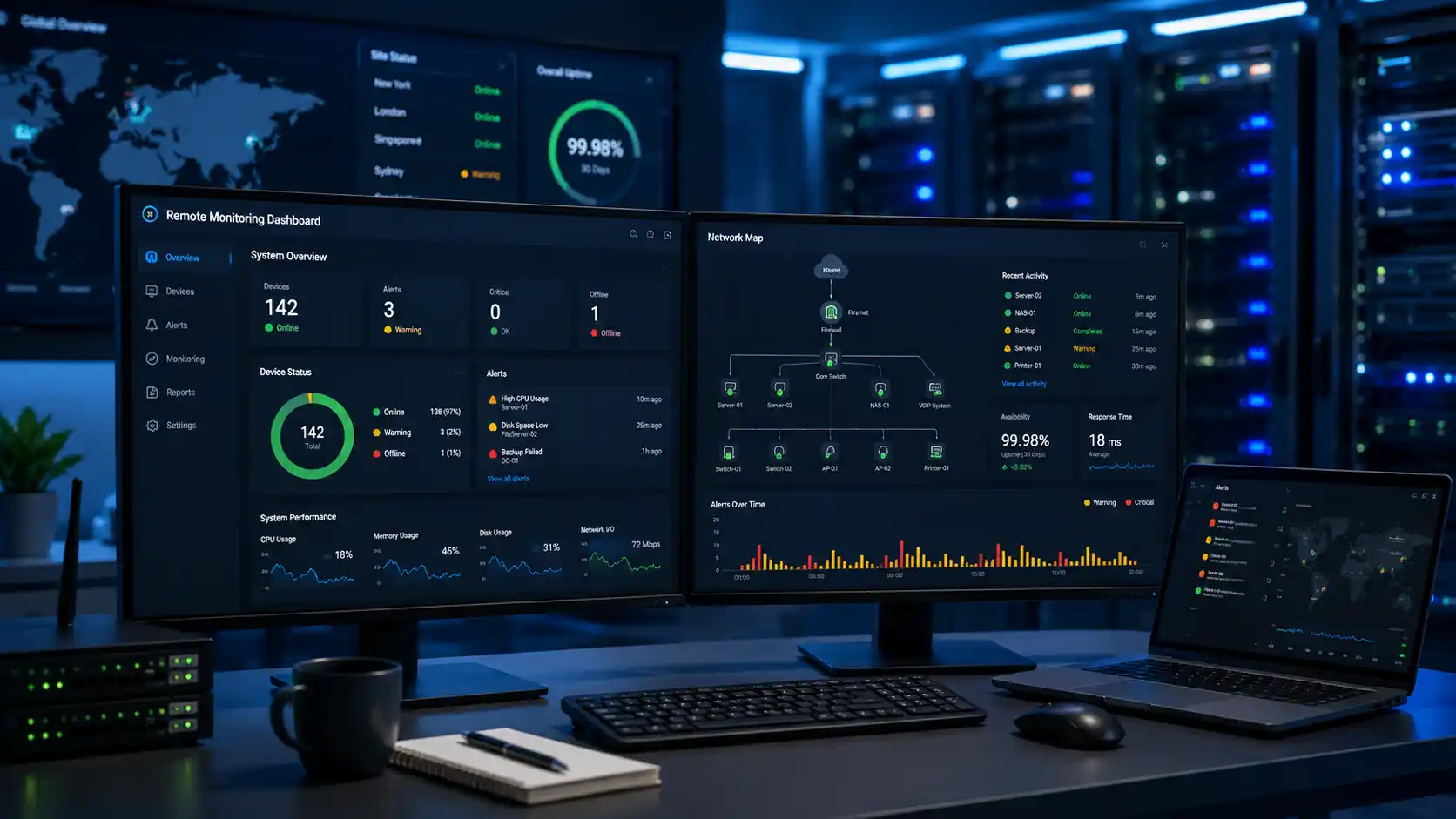
A customer is ready to make a payment, but the point-of-sale system freezes. Your team is preparing an important proposal, but the shared drive suddenly becomes unavailable. An employee attempts to join a client meeting, only to discover that the internet connection has dropped across the entire office. These situations may sound like minor technical problems. However, when technology stops working, business operations often
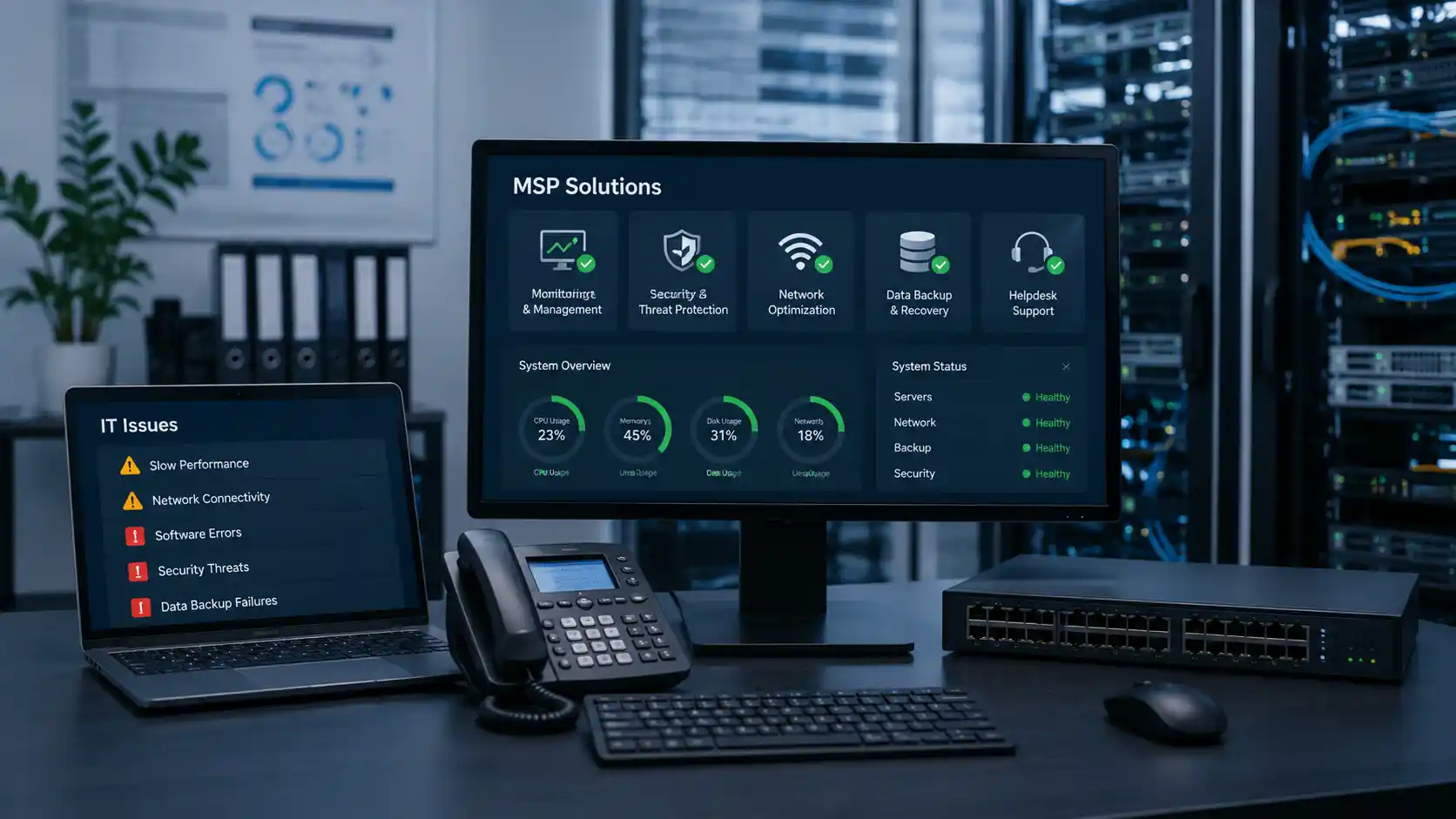
Technology is now woven into almost every part of running a small or medium-sized business, and many of these systems are affected by common IT issues. Emails carry important conversations, cloud platforms store documents, payment systems process transactions, websites attract customers and business applications keep daily operations moving. When these systems work properly, they can make a business faster, more productive and easier to

For many small and medium-sized businesses, technology support follows a familiar pattern: something stops working, employees attempt to fix it themselves, and a technician is called only when the problem becomes too disruptive to ignore. This approach is commonly known as break-fix IT support. The business pays for assistance when a device, server, application or network fails. On the surface, it may appear economical
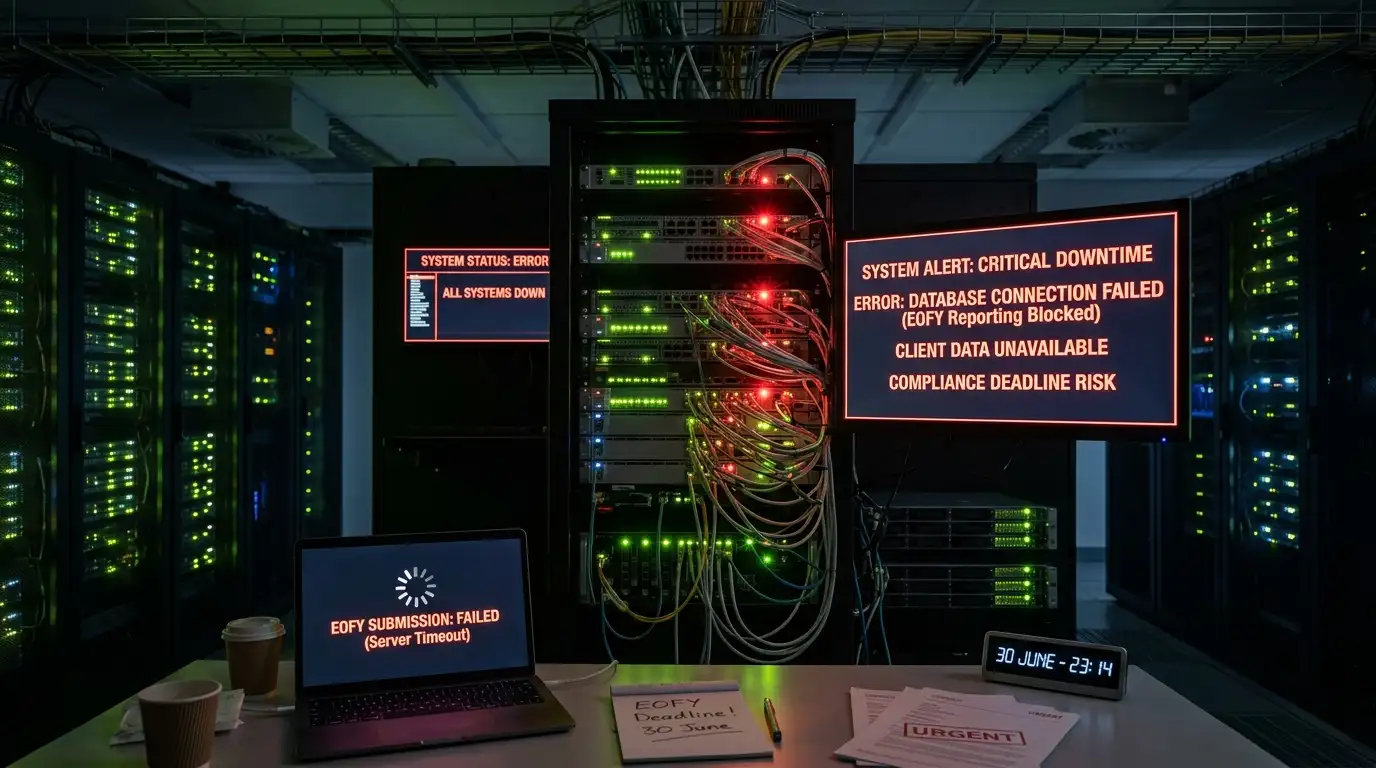
EOFY is one of the busiest and most pressure filled periods for financial services businesses. Reports need to be finalised. Client records need to be accurate. Transactions need to be processed. Systems need to be available. Teams are often working to tight deadlines, while clients expect fast updates, smooth communication and reliable service. In most countries, the end of financial year is not just
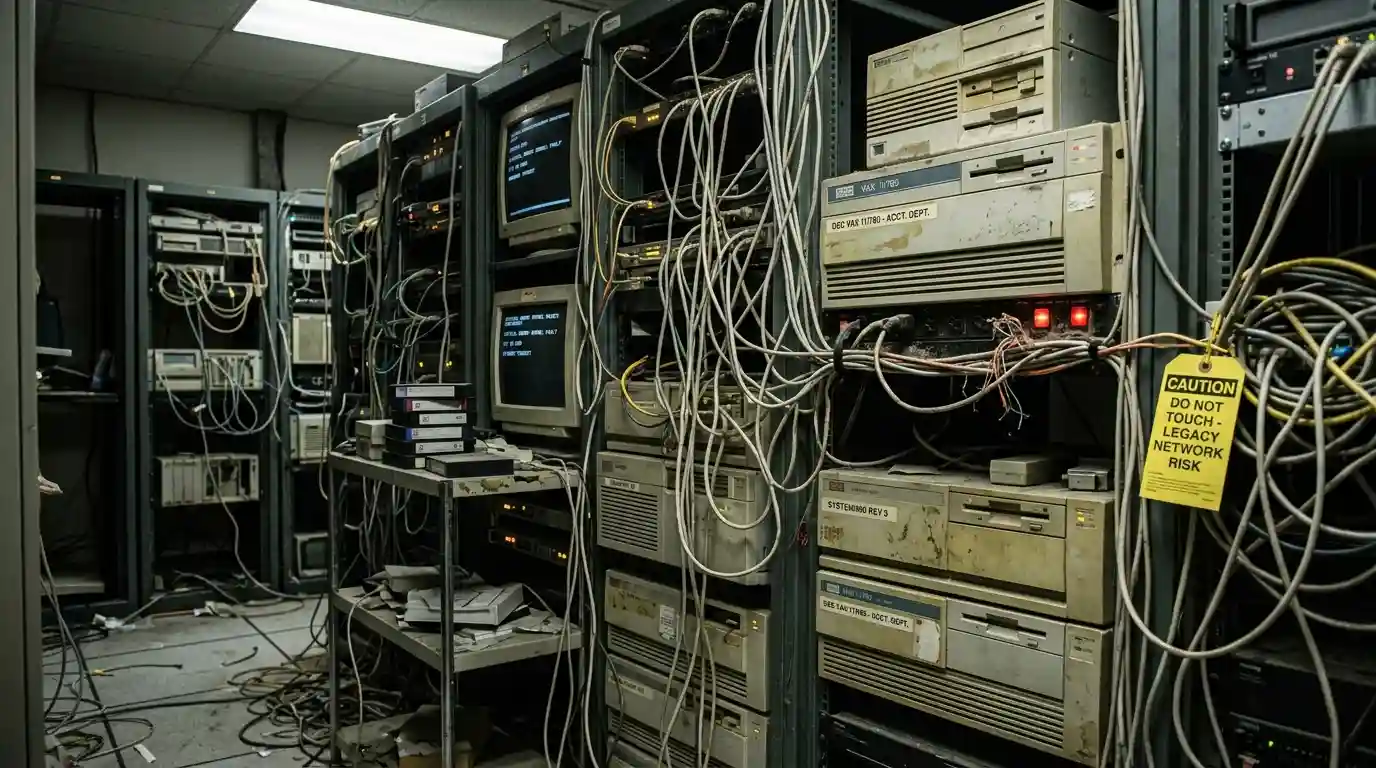
Financial services businesses run on trust. Clients trust that their personal information is protected, their transactions are processed correctly, their documents are stored securely, and their financial records are handled with care. That trust depends on more than good customer service. It also depends on the systems working quietly in the background. For small and medium-sized financial businesses, outdated IT systems can feel like a

EOFY has a way of making everything feel urgent at once. Invoices need to be finalised, payroll records need to be checked, reports need to be prepared, accountants need information, and business owners are trying to close one financial year while planning for the next. For many small and medium businesses, this period becomes a race against time. The focus usually goes straight to
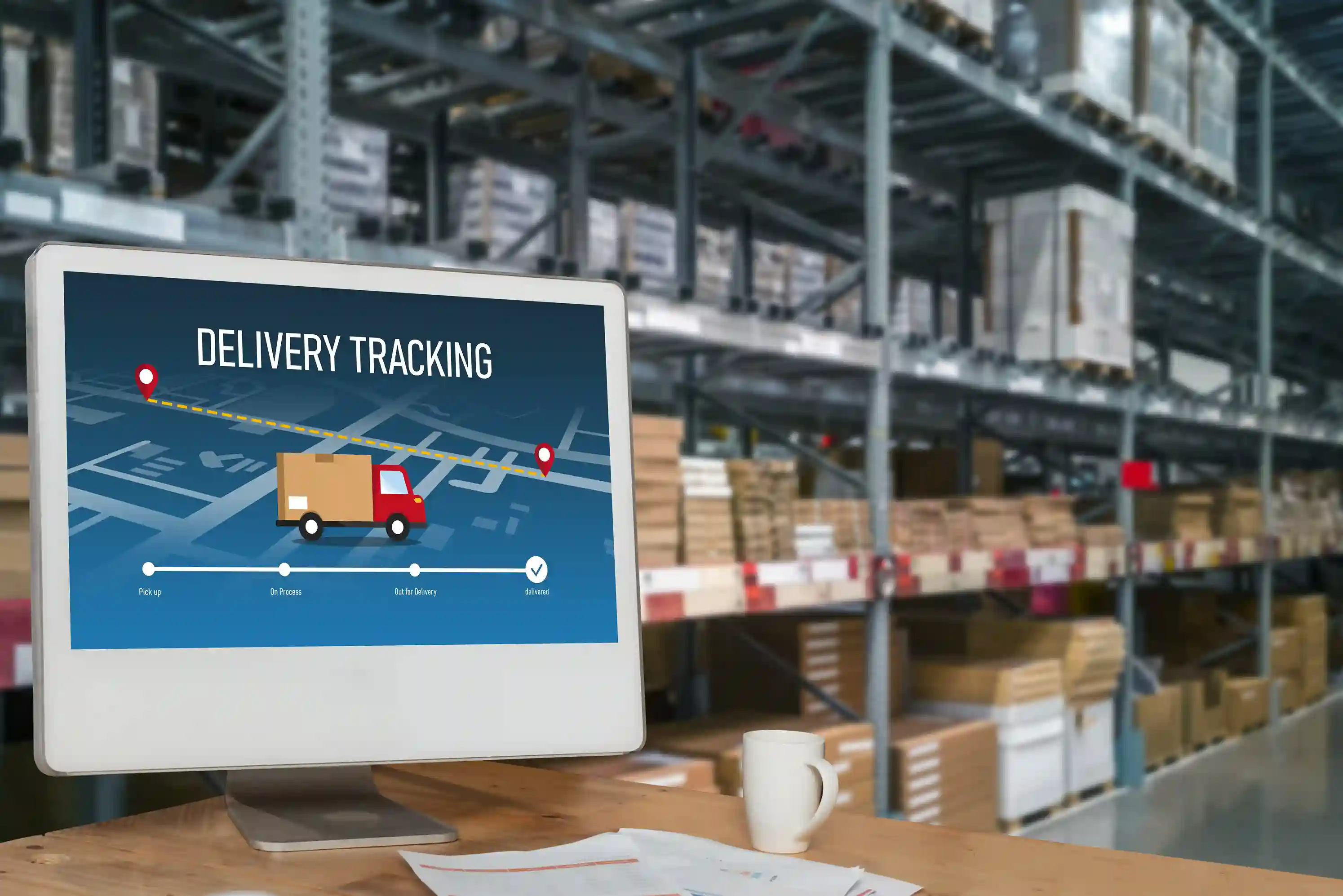
The moving and logistics industry is always on the move — yet recently, that road seems quicker, more intense, and increasingly challenging than before. Delivery windows are getting tighter, fuel expenses are increasing, and customers now anticipate real-time updates as a standard rather than an extra bonus. The challenge? Maintaining efficiency, compliance, and a strong customer focus when time is limited. Every successful delivery involves

Your Financial Data Leaked? Learn How to Secure Financial Data from Attackers In our digitized world, financial data is one of the most precious assets — and one of the most endangered. Cyber criminals are always hunting for weaknesses to take advantage of, regardless of whether you are a large financial institution or a small finance business. As a business owner, protecting sensitive information about customers