




A shopper picks up a jacket, checks stock for another size on a staff tablet, then waits at the counter while the card terminal searches for a connection. Nobody blames the Wi-Fi. They blame the shop. That is why retail Wi-Fi solutions now matter well beyond the back office. Wi-Fi sits behind payments, stock lookups, digital displays and the free connection offered to customers.

It is the Saturday of a major sale. The queue reaches the door, and then the card terminals stop responding. Within minutes, staff are apologising, shoppers are leaving baskets on the counter, and the best trading day of the quarter is slipping away. Retail IT downtime is rarely dramatic, but it is costly, and it tends to strike when stores are under the most

Technology now sits at the centre of almost every business. Emails, customer records, cloud applications, payment systems, websites, communications and daily operations all depend on reliable IT infrastructure. When everything works, technology can make a business faster, more productive and easier to manage. When it fails, however, employees may be unable to work, customers can become frustrated and important business information may be placed
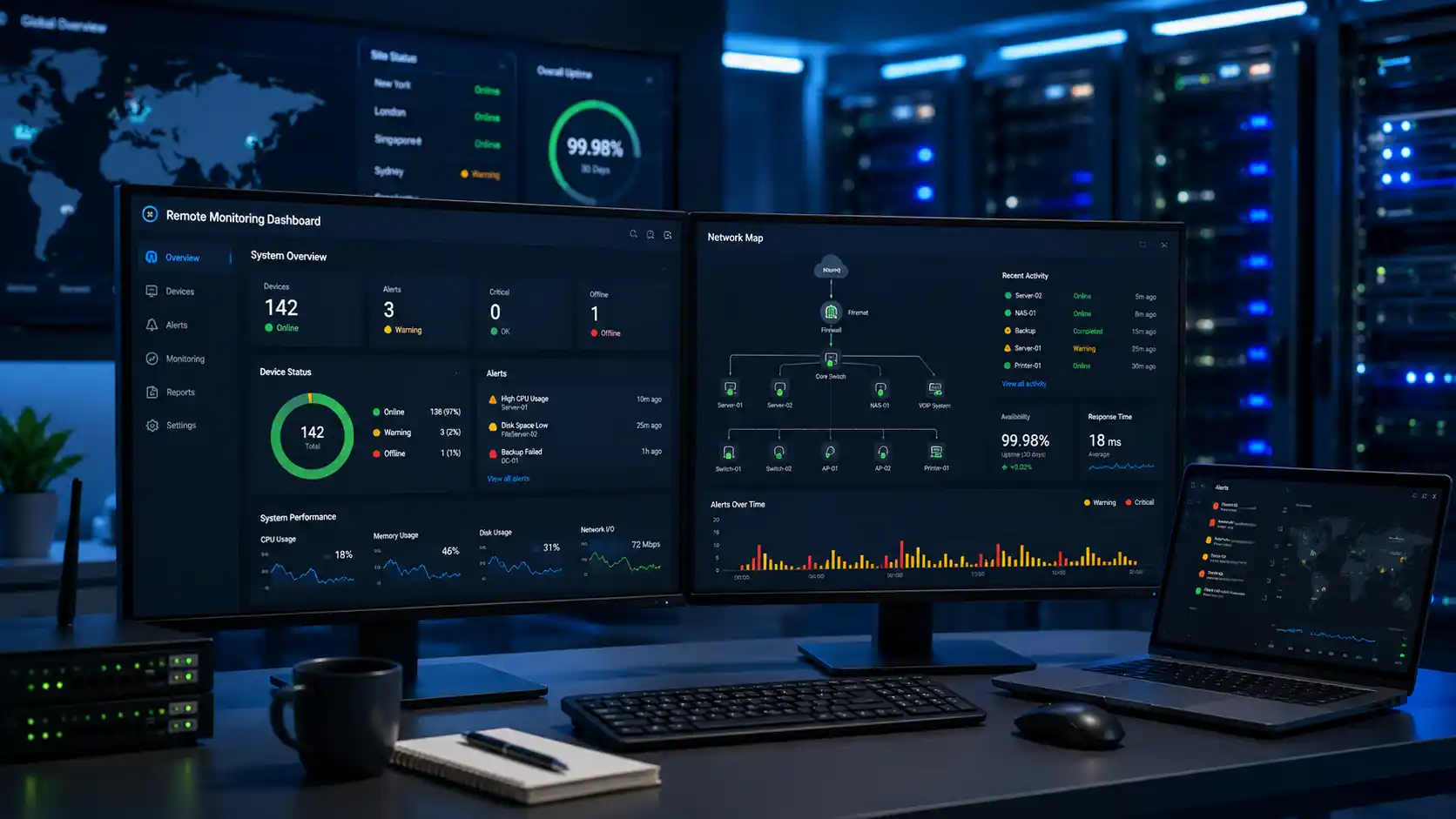
A customer is ready to make a payment, but the point-of-sale system freezes. Your team is preparing an important proposal, but the shared drive suddenly becomes unavailable. An employee attempts to join a client meeting, only to discover that the internet connection has dropped across the entire office. These situations may sound like minor technical problems. However, when technology stops working, business operations often
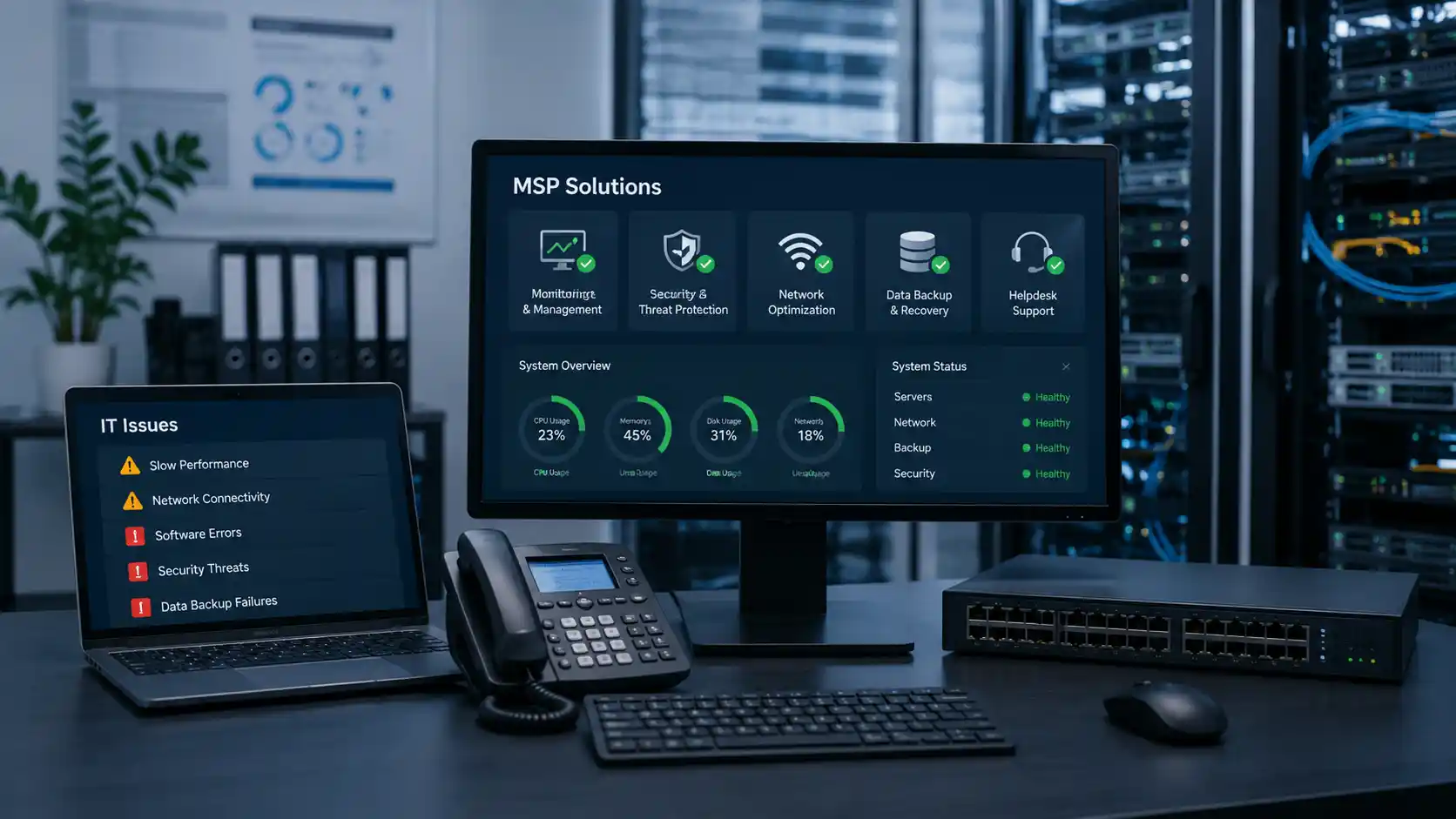
Technology is now woven into almost every part of running a small or medium-sized business, and many of these systems are affected by common IT issues. Emails carry important conversations, cloud platforms store documents, payment systems process transactions, websites attract customers and business applications keep daily operations moving. When these systems work properly, they can make a business faster, more productive and easier to

For many small and medium-sized businesses, technology support follows a familiar pattern: something stops working, employees attempt to fix it themselves, and a technician is called only when the problem becomes too disruptive to ignore. This approach is commonly known as break-fix IT support. The business pays for assistance when a device, server, application or network fails. On the surface, it may appear economical
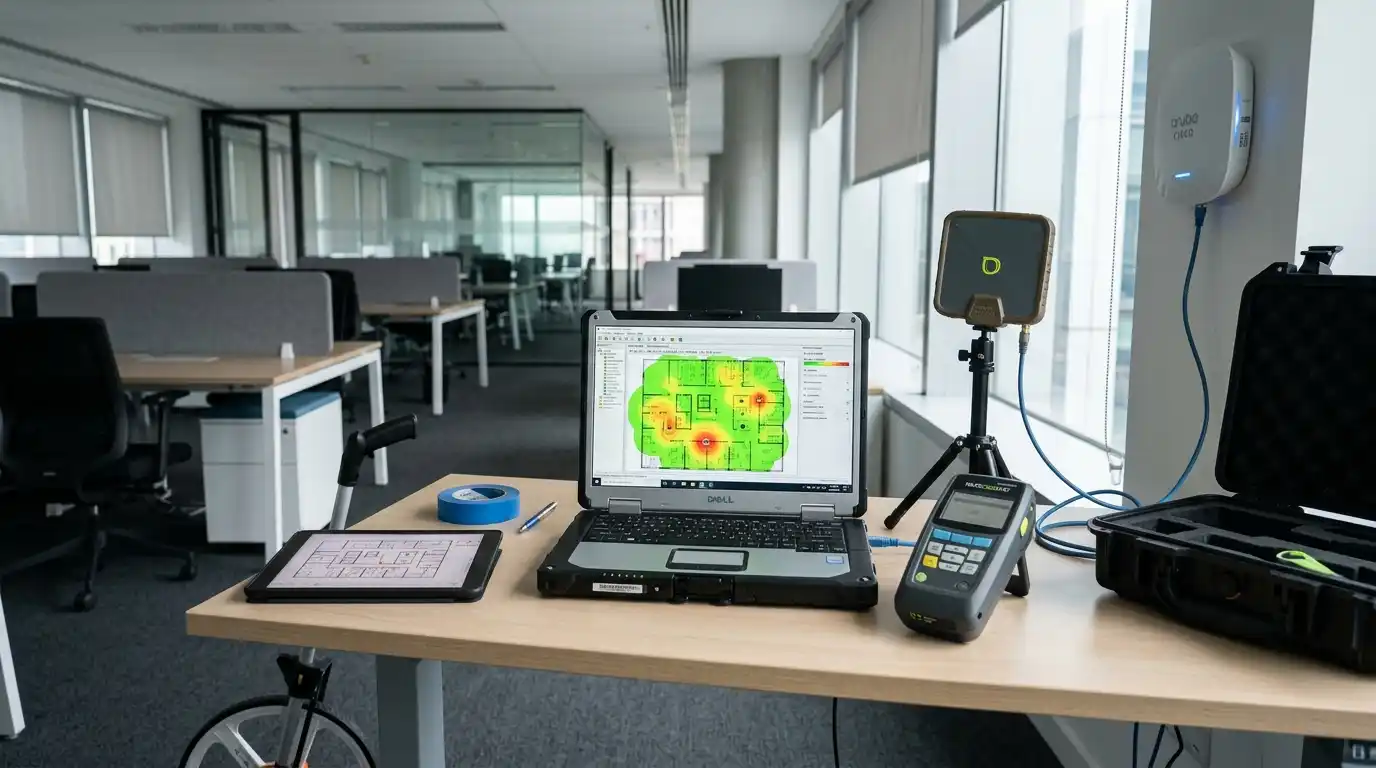
When a business starts experiencing slow internet, dropouts, poor video calls, or staff complaints about weak signal, the first reaction is often simple: upgrade the internet plan, buy a stronger router, or add more access points. On the surface, that makes sense. If the network feels slow, surely more speed or more hardware should fix the issue. But in many workplaces, the real problem is
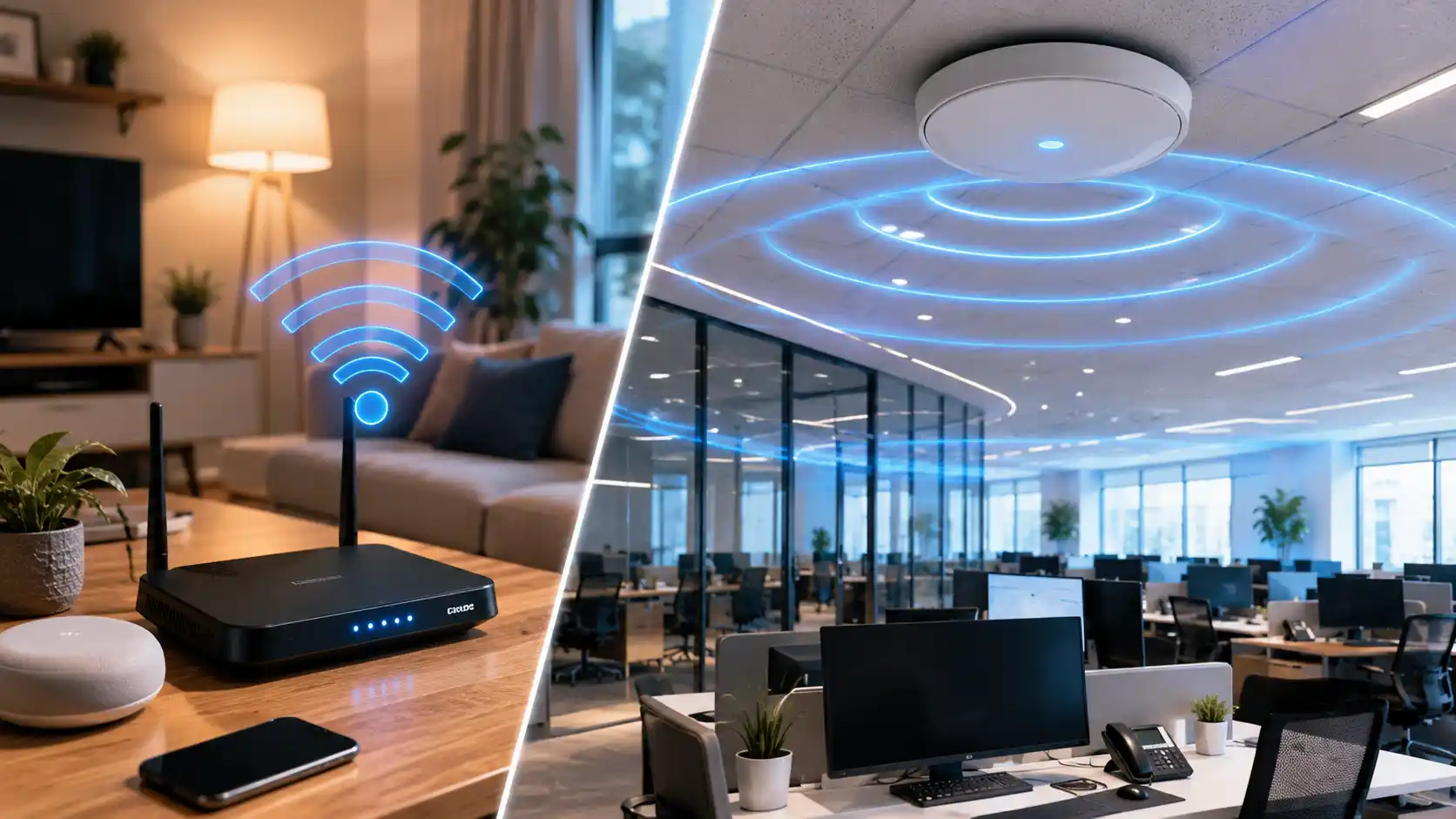
WiFi has become one of those things people only think about when it stops working properly. At home, a weak signal in the back room might be frustrating. A video may buffer, a phone may drop off the network, or someone may need to move closer to the router. It is annoying, but usually manageable. In a business, poor WiFi is different. It can interrupt staff
As the end of financial year approaches, many businesses naturally focus on budgets, tax planning, outstanding invoices, equipment purchases, staff performance, and strategic goals for the year ahead. These are all important. However, one area that often gets pushed to the side is network infrastructure. At ICTechnology, our team often sees how connectivity quietly underpins almost every part of a business. Whether it is
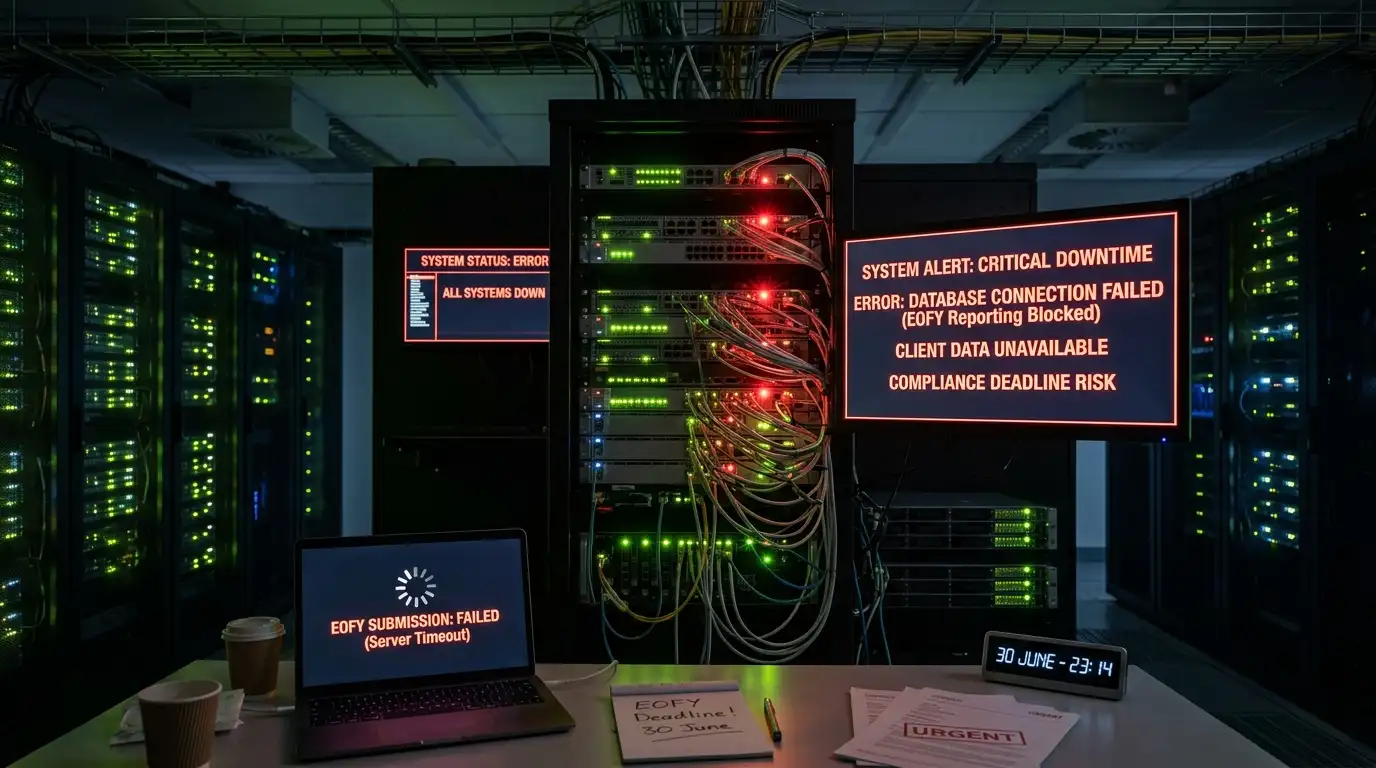
EOFY is one of the busiest and most pressure filled periods for financial services businesses. Reports need to be finalised. Client records need to be accurate. Transactions need to be processed. Systems need to be available. Teams are often working to tight deadlines, while clients expect fast updates, smooth communication and reliable service. In most countries, the end of financial year is not just