Smart Healthcare IT Infrastructure: The Backbone of Modern Patient Care
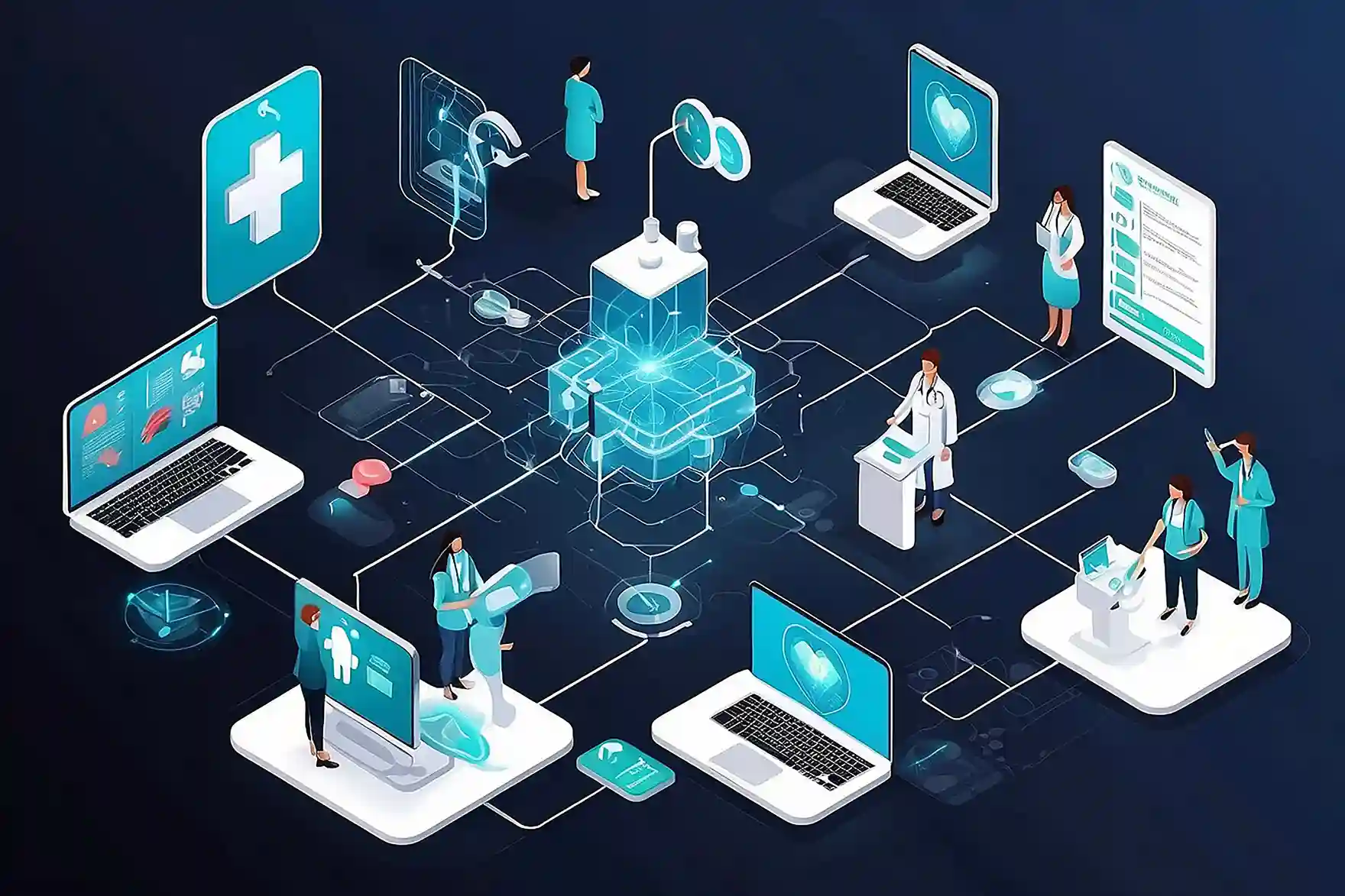
Healthcare has always relied on people. Skilled clinicians, dedicated nurses, and support staff are at the heart of every patient interaction. But today, behind every successful diagnosis, treatment plan, and recovery journey sits something less visible yet equally critical: IT infrastructure.
For small to medium healthcare providers and growing clinics, the conversation around technology is no longer just about “having systems in place.” It is about building smart, resilient infrastructure that quietly supports every moment of care. From the speed of accessing patient records to the reliability of connected devices, infrastructure decisions now directly influence patient outcomes, operational efficiency, and long-term sustainability.
Across the industry, providers are increasingly turning to experienced technology partners such as ICTechnology to better understand how infrastructure can be designed to support both clinical care and long-term growth without adding unnecessary complexity.
At a time where digital transformation is accelerating across healthcare, the urgency is clear. Smart healthcare IT infrastructure is no longer optional. It is the backbone of modern patient care.
Why Smart Healthcare Depends on Strong Foundations
When people think about healthcare innovation, they often picture AI diagnostics, robotic surgeries, or wearable health devices. Yet none of these advancements can function effectively without a reliable foundation underneath.
At its core, smart healthcare depends on two key pillars: secure networks and scalable cloud systems.
A secure network ensures that sensitive patient data moves safely between systems, clinicians, and devices. With healthcare data being one of the most targeted sectors globally, protecting this information is not just a compliance requirement but a matter of trust. A single breach can disrupt operations, damage reputation, and compromise patient safety.
Scalable cloud systems, on the other hand, allow healthcare providers to grow without constantly rebuilding their infrastructure. Whether it is adding new clinics, onboarding more patients, or integrating new digital tools, cloud-based environments provide flexibility without sacrificing performance.
For example, a clinic that shifts from local servers to cloud-based patient management systems can instantly enable remote access, real-time updates, and improved collaboration across teams. This becomes especially important when care extends beyond physical walls, such as telehealth consultations or remote monitoring.
Ultimately, strong infrastructure ensures that healthcare providers can focus on what matters most: delivering timely, accurate, and effective care.
Connecting Devices, Data, and Decisions
Modern healthcare is increasingly driven by connected devices. From heart monitors and infusion pumps to wearable fitness trackers and smart imaging equipment, the Internet of Things (IoT) is reshaping how data is collected and used.
However, the value of these devices lies not just in their ability to capture data but in how that data is integrated, transmitted, and acted upon.
Imagine a patient wearing a remote monitoring device that tracks vital signs in real time. If the device is connected to a secure and well-integrated system, clinicians can receive alerts instantly, enabling early intervention and potentially preventing complications. But if the system is fragmented or unreliable, that same data may be delayed, incomplete, or even lost.
This is where secure connectivity becomes critical.
Healthcare organisations need infrastructure that can support:
- Continuous data flow from multiple devices
- Secure transmission across networks
- Seamless integration with electronic health records (EHRs)
- Real-time analytics and alerts
Without this level of integration, IoT devices risk becoming isolated tools rather than part of a cohesive care ecosystem.
Smart infrastructure brings everything together, turning raw data into actionable insights and ensuring that every device contributes meaningfully to patient care.
The Hidden Risks of Fragmented IT Environments
Many healthcare providers, especially growing ones, often build their IT environments gradually. A system is added here, a device is integrated there, and over time, the infrastructure becomes a patchwork of solutions.
While this approach may work in the short term, it introduces significant long-term risks.
Fragmented IT environments can lead to:
- Data silos, where information is stored in separate systems that do not communicate
- Increased security vulnerabilities due to inconsistent protections
- Operational inefficiencies caused by manual workarounds
- Higher maintenance costs from managing multiple platforms
- Reduced visibility into patient data and business performance
For example, if a clinic uses one system for patient records, another for billing, and a third for diagnostics, staff may need to manually transfer information between platforms. This not only slows down workflows but also increases the risk of errors.
More importantly, fragmentation can directly impact patient care. Delayed access to information, incomplete records, or system outages can all affect clinical decisions.
In a sector where timing and accuracy are critical, these risks are simply too high.
A unified, well-structured IT environment eliminates these challenges by ensuring that all systems work together seamlessly. It creates a single source of truth, improves efficiency, and strengthens security across the board.
Uptime, Redundancy, and Disaster Recovery: Why Resilience Matters
In healthcare, downtime is not just inconvenient. It can be dangerous.
When systems go offline, clinicians may lose access to patient records, diagnostic tools, and communication platforms. Even a short disruption can delay treatments, disrupt workflows, and compromise patient safety.
This is why resilience must be built into every layer of healthcare IT infrastructure.
Uptime refers to the availability of systems. Healthcare providers need infrastructure that is consistently accessible, ensuring that critical systems are always operational when needed.
Redundancy involves having backup systems in place. If one component fails, another takes over seamlessly. This could include duplicate servers, alternative network paths, or backup power supplies.
Disaster recovery focuses on how quickly systems can be restored after an incident. Whether it is a cyberattack, hardware failure, or natural disruption, a well-designed recovery plan ensures that operations can resume with minimal impact.
For small to medium providers, these concepts may sound complex or costly. However, modern cloud-based solutions have made resilience more accessible than ever. Automated backups, failover systems, and real-time monitoring can now be implemented without the need for extensive in-house infrastructure.
The key is not just having these systems in place, but ensuring they are properly configured, tested, and maintained.
Because in healthcare, every second counts.
Building Infrastructure That Supports Growth and Continuity
As healthcare providers grow, their infrastructure must evolve with them.
What works for a small clinic with a handful of staff may not be sufficient for a multi-site organisation with hundreds of patients and complex workflows. Without scalable infrastructure, growth can lead to bottlenecks, inefficiencies, and increased risk.
Smart healthcare IT infrastructure is designed with the future in mind. It allows organisations to:
- Expand services without major disruptions
- Integrate new technologies seamlessly
- Adapt to changing regulations and compliance requirements
- Support hybrid care models, including in-person and remote services
Business continuity is also a critical consideration. Healthcare providers must be able to maintain operations even during unexpected events. This includes not only technical failures but also external factors such as supply chain disruptions or public health emergencies.
A resilient infrastructure ensures that care delivery remains consistent, regardless of the challenges faced.
For decision-makers, this means thinking beyond immediate needs and investing in systems that can support long-term growth and stability.
How ICTechnology Supports Smarter Healthcare Infrastructure
Behind every reliable healthcare system is a well-planned and carefully managed IT environment. The challenge for many providers is knowing where to start and how to bring everything together without disrupting day-to-day operations.
This is where the right technology partner can make a meaningful difference.
ICTechnology works with healthcare providers to design and implement secure, scalable IT environments that support both clinical and operational needs. This includes building strong network foundations, enabling cloud-based systems, and ensuring that all components work together seamlessly.
By focusing on integration, security, and resilience, ICTechnology helps organisations move away from fragmented setups towards unified infrastructures that are easier to manage and more reliable in practice.
Support also extends to areas such as data protection, system monitoring, and disaster recovery planning, ensuring that healthcare providers are prepared not just for growth but for unexpected challenges as well.
Rather than offering one-size-fits-all solutions, the approach is tailored to each organisation’s size, goals, and existing systems. This allows providers to adopt modern infrastructure at a pace that suits them, without unnecessary complexity.
A Future Built on Strong Foundations
Healthcare will continue to evolve. New technologies will emerge, patient expectations will rise, and the demand for efficient, high-quality care will only increase.
But regardless of how advanced the tools become, they will always depend on the infrastructure beneath them.
Smart healthcare IT infrastructure is not just about technology. It is about creating an environment where clinicians can work efficiently, patients can receive timely care, and organisations can operate with confidence.
For small to medium providers and those looking to grow, the message is simple. The decisions made today around infrastructure will shape the quality of care delivered tomorrow.
Investing in secure networks, scalable systems, and resilient architectures is no longer a future consideration. It is a present necessity.
At ICTechnology, the focus remains on helping organisations build reliable, secure environments that quietly support day-to-day operations while preparing for future demands.
If you are taking a closer look at your current systems or planning your next stage of growth, it may be worth exploring how your infrastructure is performing today and where improvements could strengthen resilience over time.
Because when infrastructure works seamlessly, everything else in healthcare works better too.
References
Australian Digital Health Agency. (2023). Secure messaging and interoperability in healthcare. Retrieved from https://www.digitalhealth.gov.au
Deloitte. (2023). Digital transformation in healthcare: Trends and insights. Retrieved from https://www2.deloitte.com
Gartner. (2023). Top technology trends in healthcare infrastructure. Retrieved from https://www.gartner.com
International Telecommunication Union. (2022). Digital health and smart infrastructure report. Retrieved from https://www.itu.int
McKinsey & Company. (2023). The future of healthcare: Value-driven care and digital transformation. Retrieved from https://www.mckinsey.com
World Health Organization. (2022). Global strategy on digital health 2020–2025. Retrieved from https://www.who.int