Student and Parent Data Protection Across School Websites and Portals
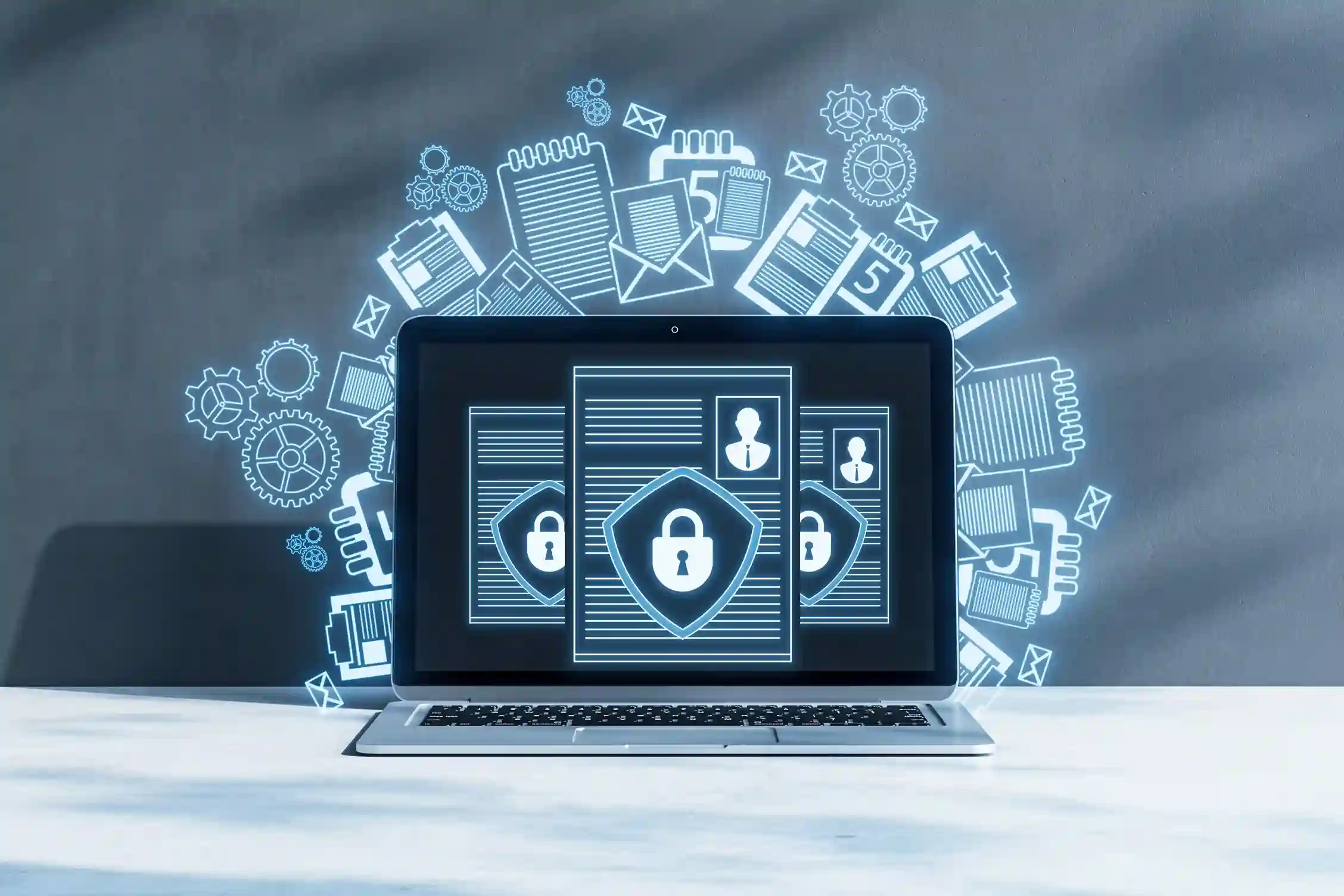
Schools today rely heavily on data protection and digital platforms. From enrolment forms and parent portals to learning management systems and payment gateways, vast amounts of sensitive information are handled online every single day. Student records, medical details, behavioural reports, family contact information and financial data now live inside websites and internal systems rather than locked filing cabinets.
With this shift comes a serious responsibility. Protecting student and parent data is no longer just an IT issue; it is a core duty of care. When systems are poorly secured, outdated or unmanaged, the risks extend far beyond technical inconvenience. Data breaches can disrupt learning, damage trust, expose families to harm and place schools at risk of regulatory penalties.
For school leaders, administrators and education providers, understanding the importance and urgency of protecting digital data has never been more critical.
Why School Data Is a Prime Target
Educational institutions hold a unique combination of information that is extremely valuable to cybercriminals. Unlike businesses that may store only financial or customer data, schools often hold lifelong records that cannot easily be changed.
Student and parent data can include:
- Full names and dates of birth
- Home addresses and emergency contacts
- Medical conditions and learning support needs
- Identification documents
- Payment and billing details
- Login credentials for portals and learning systems
This type of data is attractive because it can be exploited in multiple ways, from identity fraud to phishing campaigns and social engineering attacks. Schools are also seen as softer targets, as many operate with limited internal IT resources and rely on ageing systems or volunteer-managed websites.
In recent years, breaches involving school systems have led to exposed enrolment records, unauthorised access to parent portals and ransomware attacks that locked administrators out of critical systems. These incidents highlight how easily overlooked weaknesses can escalate into serious operational crises.
Websites and Portals: The Most Common Weak Points
School websites and parent portals are often the first place vulnerabilities appear. They are public-facing, frequently updated and commonly integrated with third-party services such as payment providers, learning platforms or attendance systems.
Common security gaps include:
- Outdated website platforms or plugins
- Weak administrator passwords
- Shared login accounts across staff
- Poorly configured hosting environments
- Lack of encryption on forms collecting personal data
- No regular security testing or reviews
Even something as simple as an unsecured contact form can become an entry point for attackers. When websites are treated as marketing tools only, rather than critical systems handling personal data, security is often deprioritised until something goes wrong.
Parent portals, in particular, require careful access control. If permissions are incorrectly set, parents may be able to view information that does not belong to them, or attackers may exploit weak authentication to gain unauthorised access.
The Human Impact of Data Breaches in Schools
When a data breach occurs in a school environment, the consequences extend far beyond IT recovery.
For families, a breach can result in:
- Exposure of private family circumstances
- Risk of identity theft
- Loss of confidence in the school’s ability to protect children
- Emotional distress and anxiety
For schools, the impact may include:
- Reputational damage that affects enrolments
- Operational disruption during investigations and recovery
- Mandatory reporting obligations
- Legal and regulatory scrutiny
- Increased costs to remediate systems
Trust is foundational in education. Parents expect schools to act as custodians of their children’s information with the highest level of care. Once that trust is compromised, rebuilding it can take years.
Legal and Compliance Responsibilities Schools Must Meet
Data protection obligations for schools are not optional. Privacy regulations require organisations that collect personal information to take reasonable steps to protect it from misuse, loss and unauthorised access.
Schools are expected to:
- Collect only necessary information
- Store data securely
- Restrict access based on role and responsibility
- Ensure third-party providers meet security standards
- Respond promptly to incidents and breaches
Failure to comply can result in investigations, penalties and mandatory notifications. More importantly, it signals a failure to meet ethical responsibilities toward students and families.
Regular system reviews, documented security policies and clear data governance practices are essential for meeting these obligations and demonstrating accountability.
The Role of Access Controls in Keeping Data Safe
One of the most effective ways to reduce data risk is proper access control. Not every staff member needs access to every system, and not every parent needs access to all records.
Strong access control includes:
- Unique login credentials for each user
- Role-based permissions aligned with job responsibilities
- Multi-factor authentication for administrators
- Immediate removal of access when staff leave
- Logging and monitoring of system activity
Without these controls, even trusted users can accidentally expose data or become entry points for attackers through compromised accounts. Schools that review access regularly are far less likely to experience large-scale breaches.
Why Backups and Secure Hosting Matter More Than Ever
Backups are often discussed in the context of disaster recovery, but they play a crucial role in data protection as well. If a school experiences a ransomware attack or system failure, having secure, recent backups can mean the difference between rapid recovery and weeks of disruption.
Effective backup strategies include:
- Automated daily backups
- Secure off-site or cloud storage
- Regular testing of restoration processes
- Protection against unauthorised access to backup files
Equally important is where and how school systems are hosted. Secure hosting environments that are hardened, monitored and regularly patched significantly reduce the risk of intrusion.
The Importance of Regular System Reviews
Technology evolves quickly, and systems that were secure a few years ago may now be vulnerable. Regular system reviews help schools identify and address weaknesses before they are exploited.
A comprehensive review should assess:
- Website platforms and plugins
- Hosting configurations
- Access permissions
- Backup and recovery processes
- Integration with third-party services
- Compliance with current privacy obligations
These reviews are not about finding fault, but about ensuring systems remain fit for purpose in a changing digital landscape.
How ICTechnology Supports Schools in Protecting Data
Protecting student and parent data requires more than isolated fixes. It requires a structured, proactive approach that treats websites, portals and internal systems as critical infrastructure.
ICTechnology works with schools to strengthen their digital environments through:
- Secure website and portal protection
- Hardened hosting environments designed to reduce attack surfaces
- Reliable backup solutions to safeguard critical data
- Access control implementation aligned with school operations
- Regular system reviews to identify and address vulnerabilities early
By focusing on prevention, visibility and resilience, schools can reduce their exposure to risk while maintaining smooth day-to-day operations for staff, students and families.
Building a Culture of Digital Responsibility in Education
Technology alone cannot solve every security challenge. Protecting data also requires awareness, accountability and ongoing commitment from leadership teams.
Schools that succeed in safeguarding data often:
- Treat data protection as part of student wellbeing
- Invest in regular system maintenance rather than reactive fixes
- Encourage responsible digital practices among staff
- Work with trusted technology partners who understand education environments
When data protection is embedded into everyday operations, schools are better equipped to respond to emerging threats and maintain the trust placed in them by their communities.
Securing Trust Through Strong Data Protection
School websites and portals are no longer just digital noticeboards. They are gateways to highly sensitive student and parent information, and with that comes a significant responsibility. As education continues to rely on digital platforms, the way this data is protected directly reflects a school’s commitment to care, trust and accountability.
Strong data protection is not about reacting to incidents after they occur. It is about building secure systems from the outset, regularly reviewing how information is accessed, and ensuring safeguards evolve alongside technology. When schools take a proactive approach to security, they reduce risk, maintain operational continuity and reassure families that their information is handled with care.
Ultimately, protecting student and parent data is about preserving confidence in the education system itself. By prioritising secure websites, well-managed portals and resilient internal systems, schools create safer digital environments that support learning, strengthen relationships with families and stand the test of an increasingly connected world.
References
Office of the Australian Information Commissioner. (2023). Guide to securing personal information. https://www.oaic.gov.au
Australian Cyber Security Centre. (2023). Essential Eight explained. https://www.cyber.gov.au
Department of Education. (2022). Cyber security for schools. https://www.education.gov.au
IBM Security. (2023). Cost of a data breach report. https://www.ibm.com/security
National Cyber Security Centre. (2022). Protecting personal data online. https://www.ncsc.gov.uk