



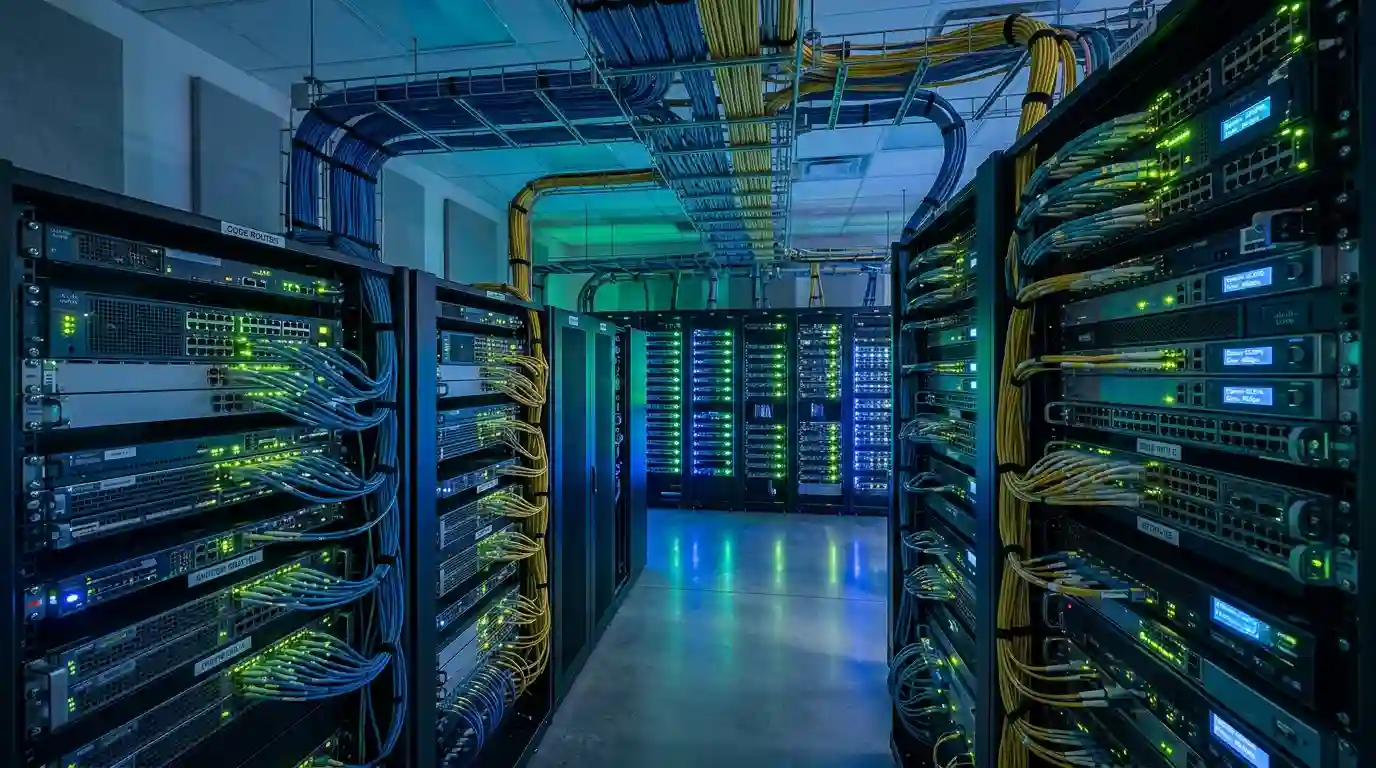
For many small and medium businesses, technology grows in layers, such as integrated networks. At ICTechnology, our team often sees how these layers develop over time. Businesses adopt new tools and systems as they grow, each one solving a specific need at the moment. Whether it is improving connectivity, adding cloud services, strengthening security, or supporting remote work, these decisions are usually practical and
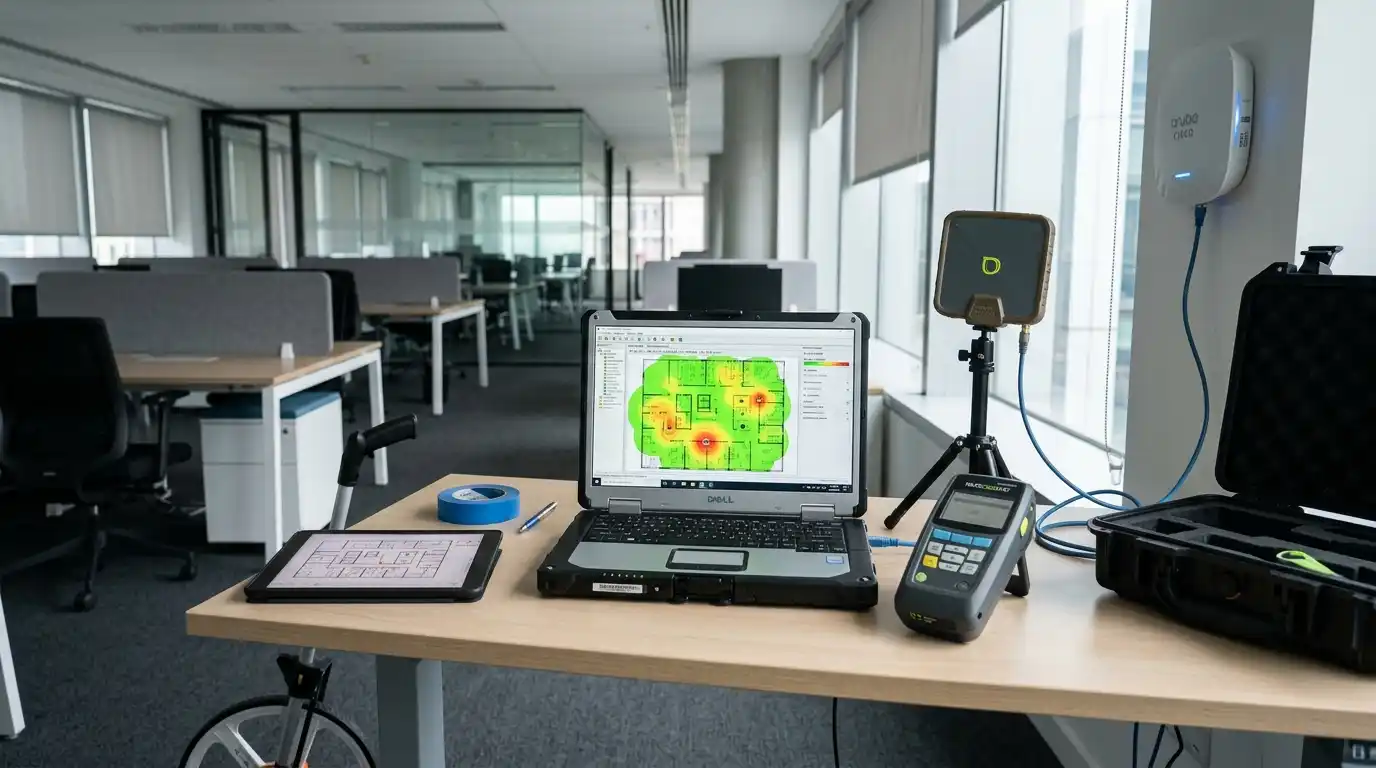
When a business starts experiencing slow internet, dropouts, poor video calls, or staff complaints about weak signal, the first reaction is often simple: upgrade the internet plan, buy a stronger router, or add more access points. On the surface, that makes sense. If the network feels slow, surely more speed or more hardware should fix the issue. But in many workplaces, the real problem is
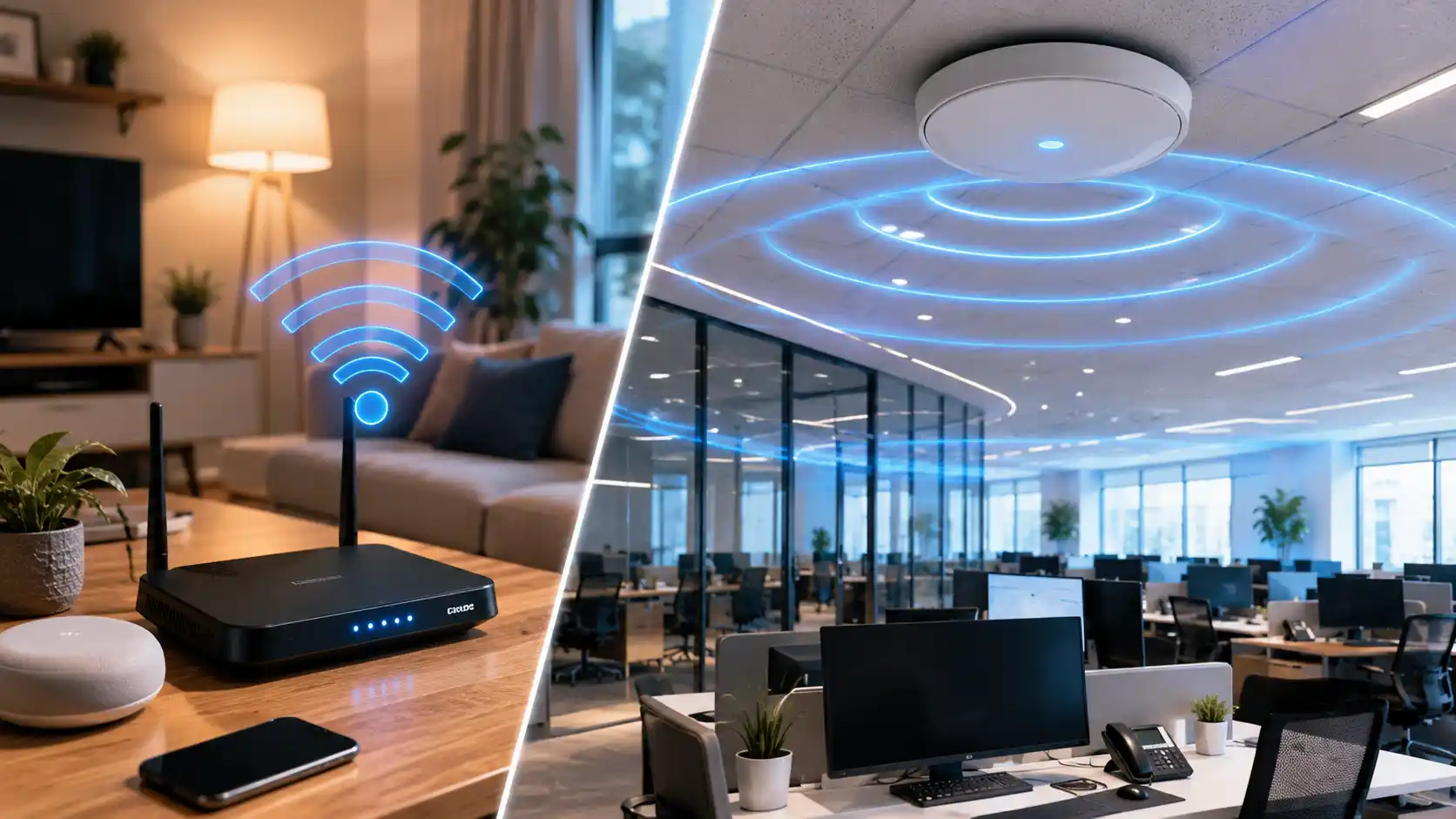
WiFi has become one of those things people only think about when it stops working properly. At home, a weak signal in the back room might be frustrating. A video may buffer, a phone may drop off the network, or someone may need to move closer to the router. It is annoying, but usually manageable. In a business, poor WiFi is different. It can interrupt staff
As the end of financial year approaches, many businesses naturally focus on budgets, tax planning, outstanding invoices, equipment purchases, staff performance, and strategic goals for the year ahead. These are all important. However, one area that often gets pushed to the side is network infrastructure. At ICTechnology, our team often sees how connectivity quietly underpins almost every part of a business. Whether it is