



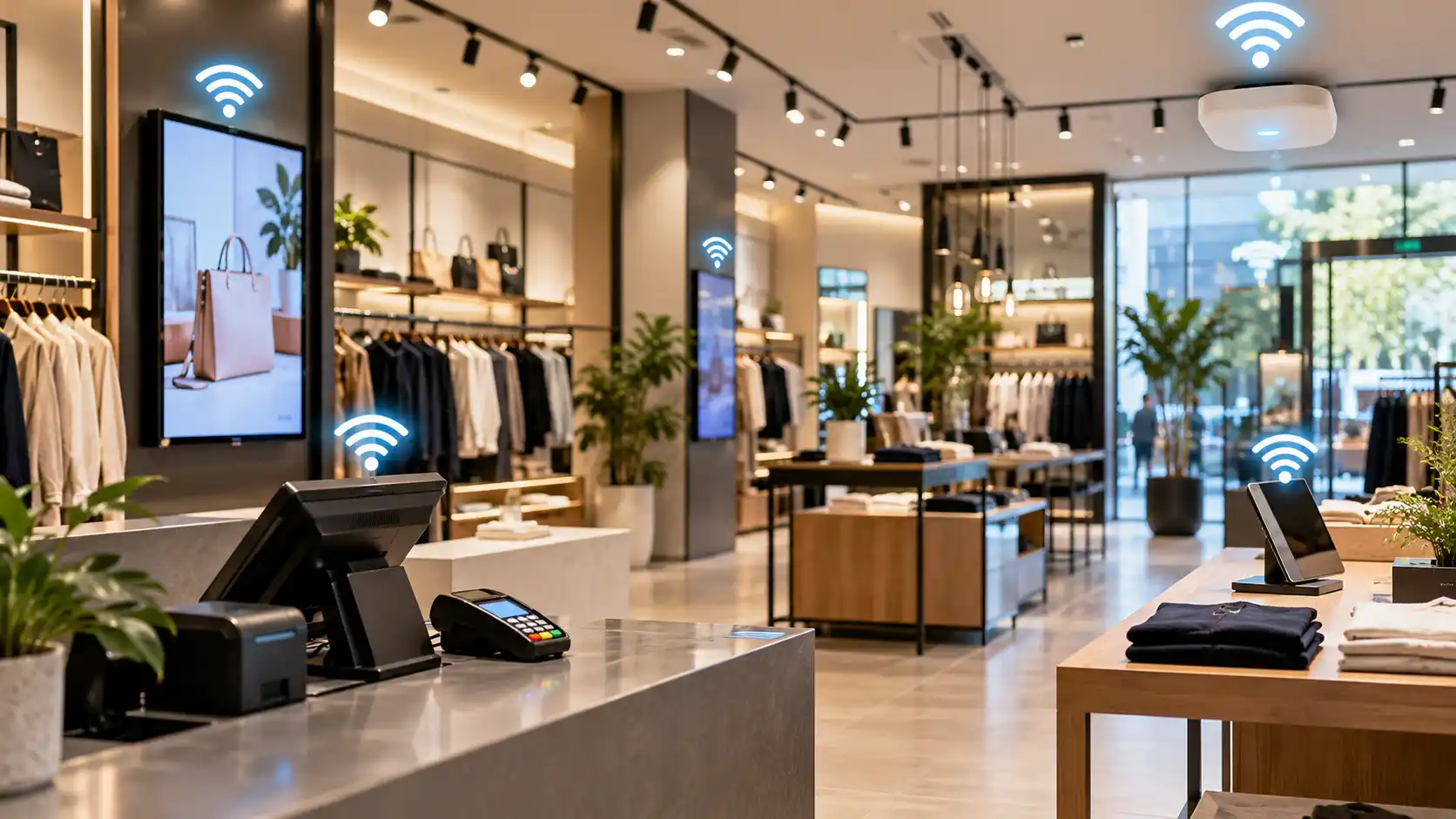
A shopper picks up a jacket, checks stock for another size on a staff tablet, then waits at the counter while the card terminal searches for a connection. Nobody blames the Wi-Fi. They blame the shop. That is why retail Wi-Fi solutions now matter well beyond the back office. Wi-Fi sits behind payments, stock lookups, digital displays and the free connection offered to customers.
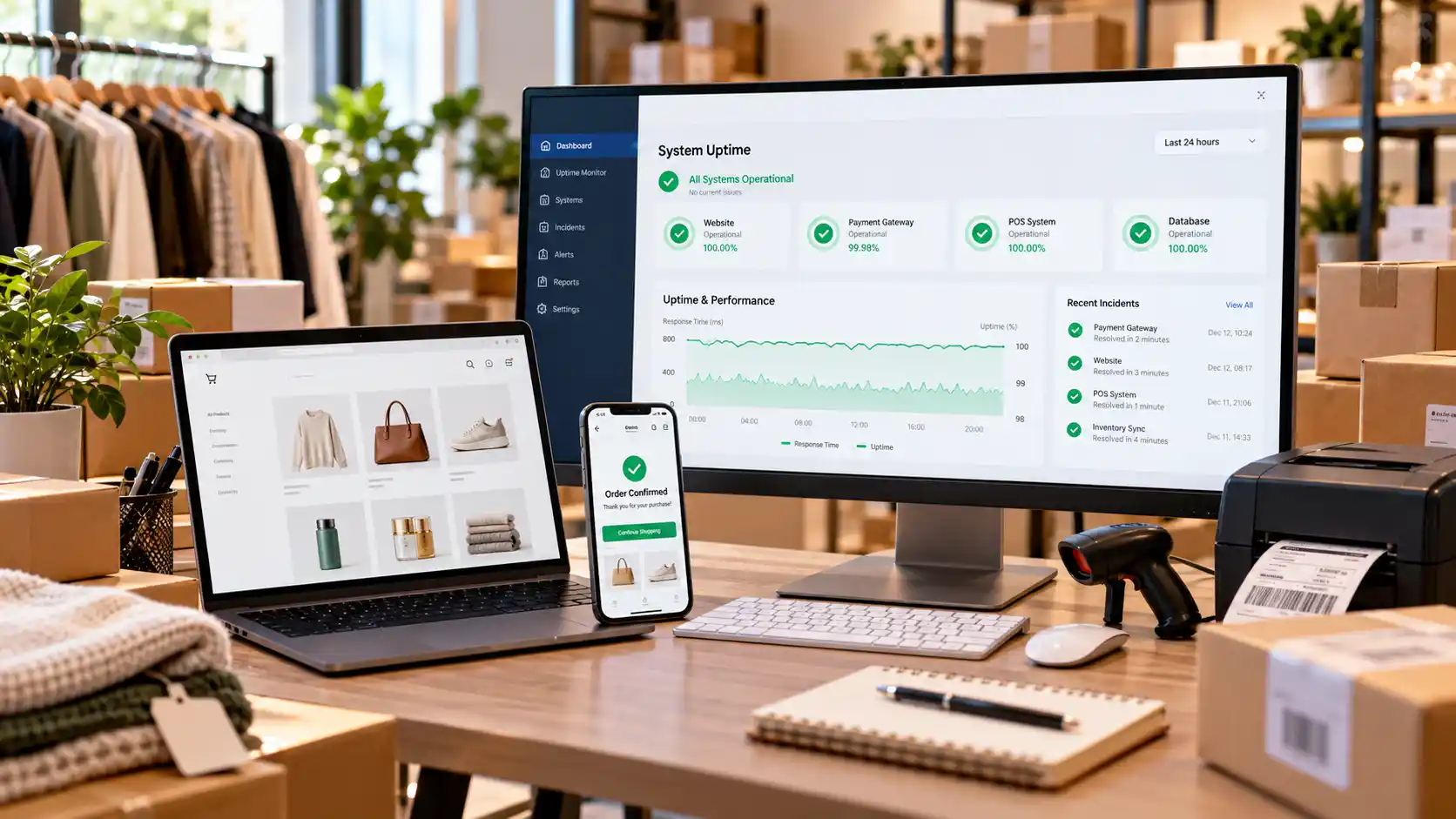
It is the Saturday of a major sale. The queue reaches the door, and then the card terminals stop responding. Within minutes, staff are apologising, shoppers are leaving baskets on the counter, and the best trading day of the quarter is slipping away. Retail IT downtime is rarely dramatic, but it is costly, and it tends to strike when stores are under the most
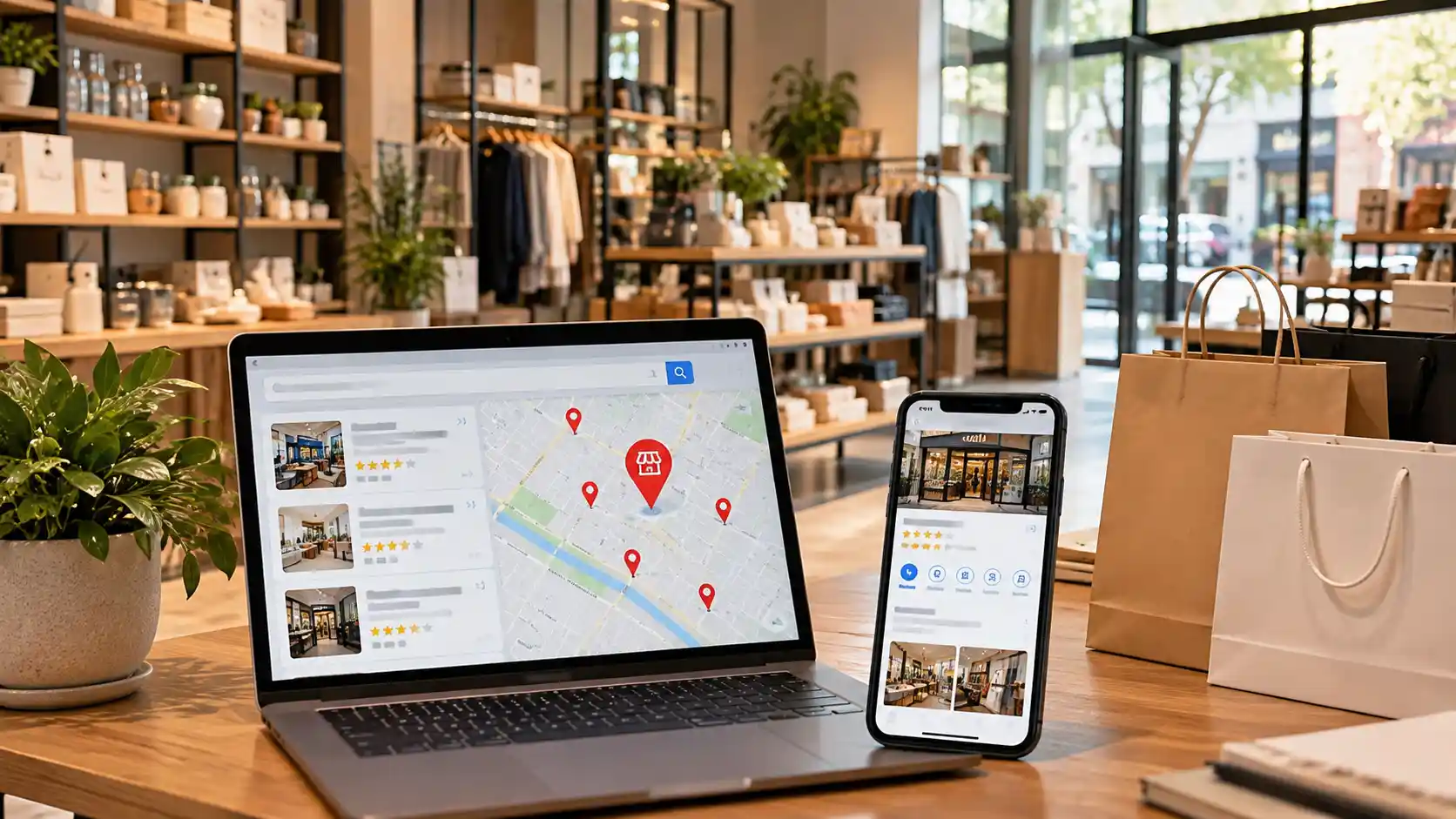
Think about the last time you needed something in a hurry: a birthday present, a phone charger, new running shoes. You probably picked up your phone, typed what you wanted and added "near me". Within seconds, a map appeared with a handful of shops, their star ratings, opening hours and a button for directions. That short list is where many retail sales are now

Watch how people shop now. They use a mobile-first websites and spot a product on social media over lunch, compare prices on the train home and buy before bed, often without opening a laptop once. For many customers, the phone is no longer the second screen. It is the shop. That changes what a retail website has to do. A site designed for a
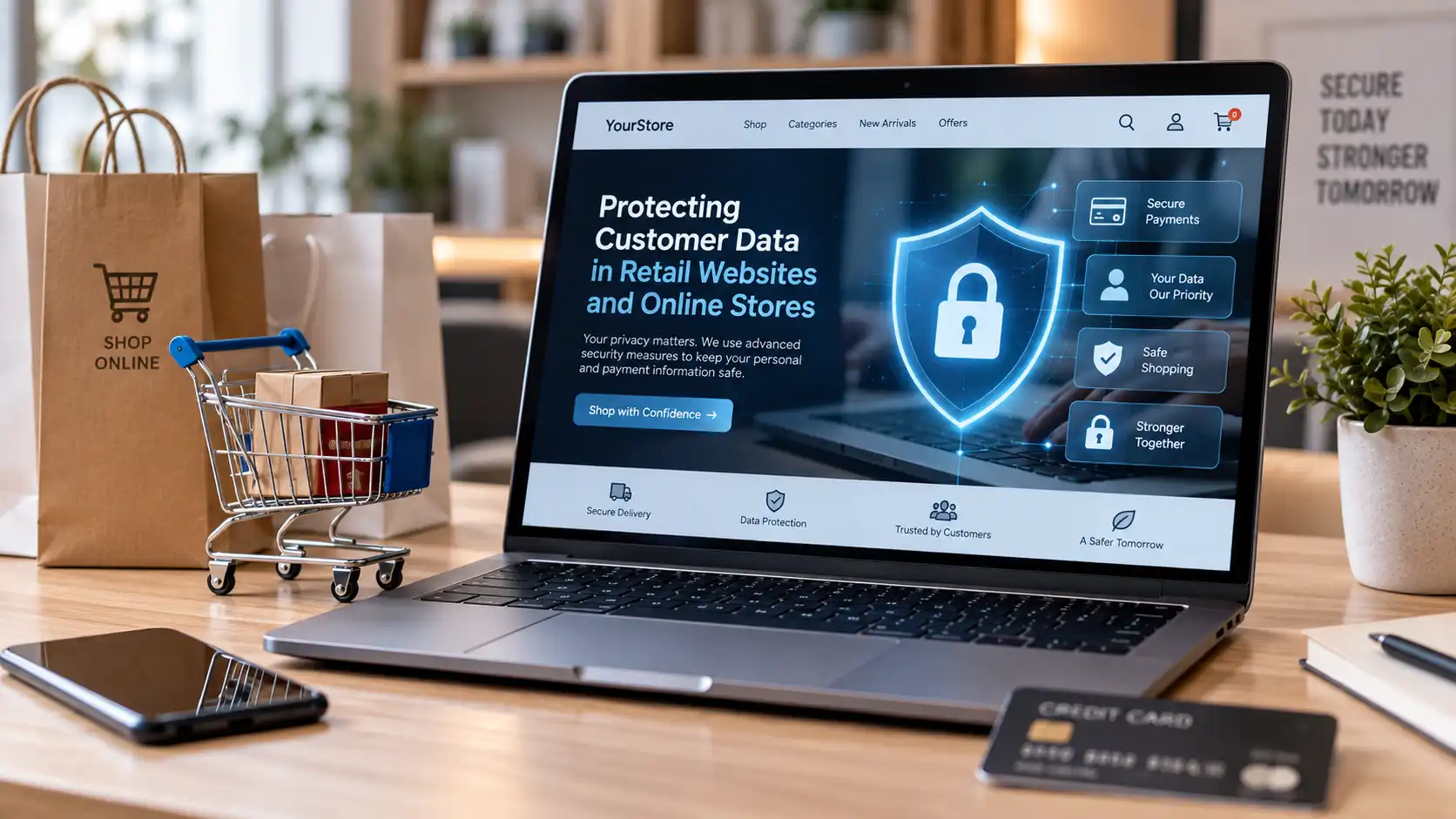
Every online order leaves a trail. A name, an email address, a delivery address, an order history and sometimes a stored card token — gathered in seconds at checkout, then scattered across a website database, an email platform, a shipping tool and a spreadsheet somebody exported two years ago and never deleted. Most retailers file that information under admin. Attackers treat it as inventory.
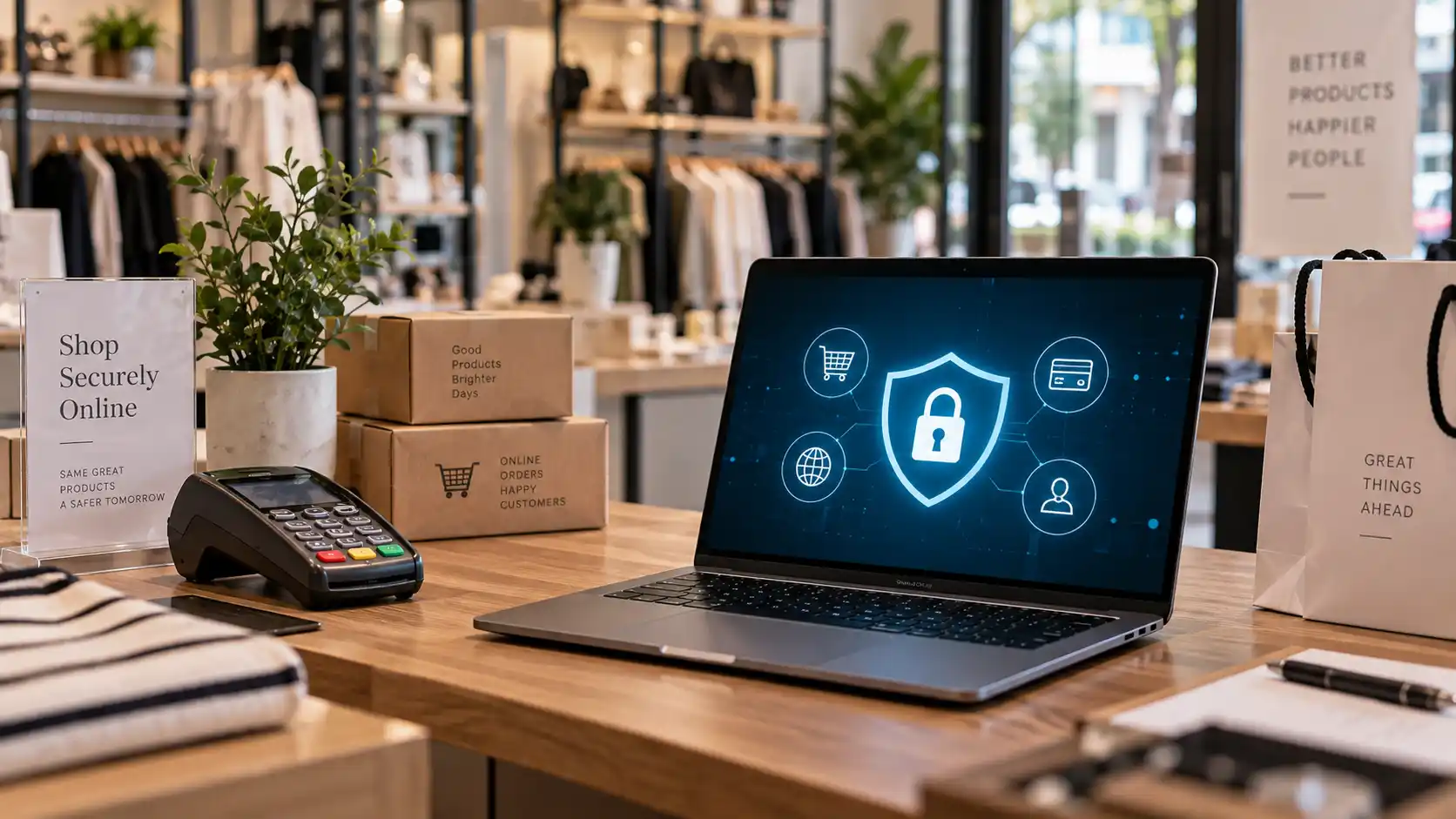
Online security in retail used to be a business of doors, keys and a cash drawer. Lock up at close, bank the takings, done. The modern version looks nothing like that. A single store might run an online shop, a payment gateway, a click-and-collect system, a supplier portal, a point-of-sale terminal and a customer database — most of it hosted elsewhere and reachable
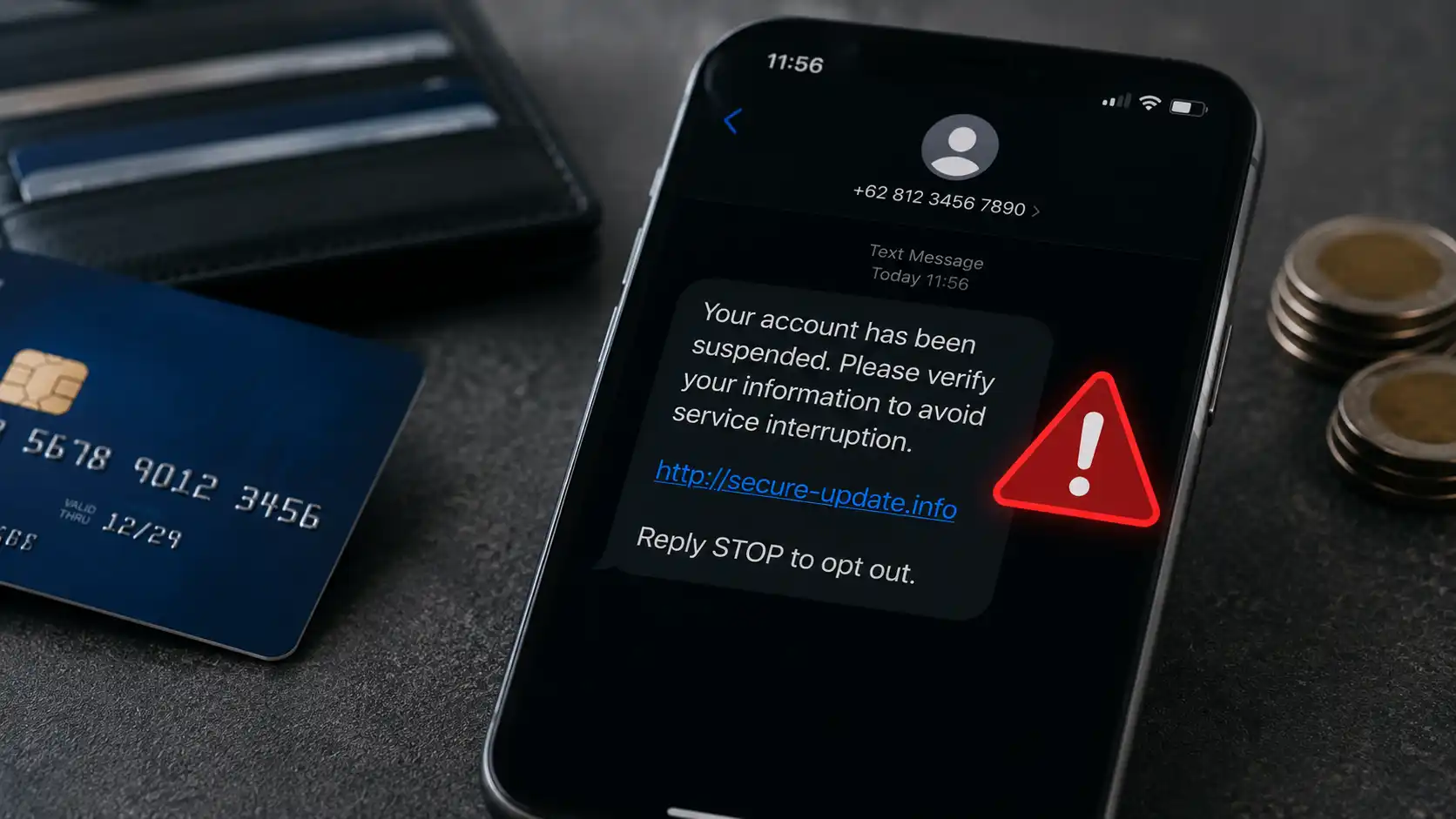
Most people picture a cyber attack as something dramatic. Code scrolling down a screen, firewalls falling over, an alarm somewhere. The reality is far more ordinary. A delivery notification arrives by text. A supplier emails an updated invoice. A login prompt appears at the exact moment someone expected one. Nothing is broken into. Nobody writes malware. A person simply does what the message asked,

Ten years ago, protecting a business network mostly meant protecting an office. Staff logged into a desktop that never left the building and went home again. Today the office is wherever your team happens to be — a laptop on a kitchen table, a phone checking email in a car park, a tablet a contractor bought themselves. Every one of those devices is an

Most breaches do not begin with a genius in a hoodie defeating a firewall. They begin with something ordinary: a password reused across three accounts, a server that missed an update, a contractor whose login still works two years after the job finished. That is the uncomfortable part. Attacks rarely succeed because a business was careless. They succeed because a small, unremarkable weakness sat

Most business owners do not think about cyber security until something goes wrong. A staff member clicks a link that looks ordinary. An invoice is paid into a bank account that belongs to someone else. A file server locks up on a Monday morning and nobody can open a document. Attackers no longer choose targets by size. They choose by opportunity, and smaller organisations