



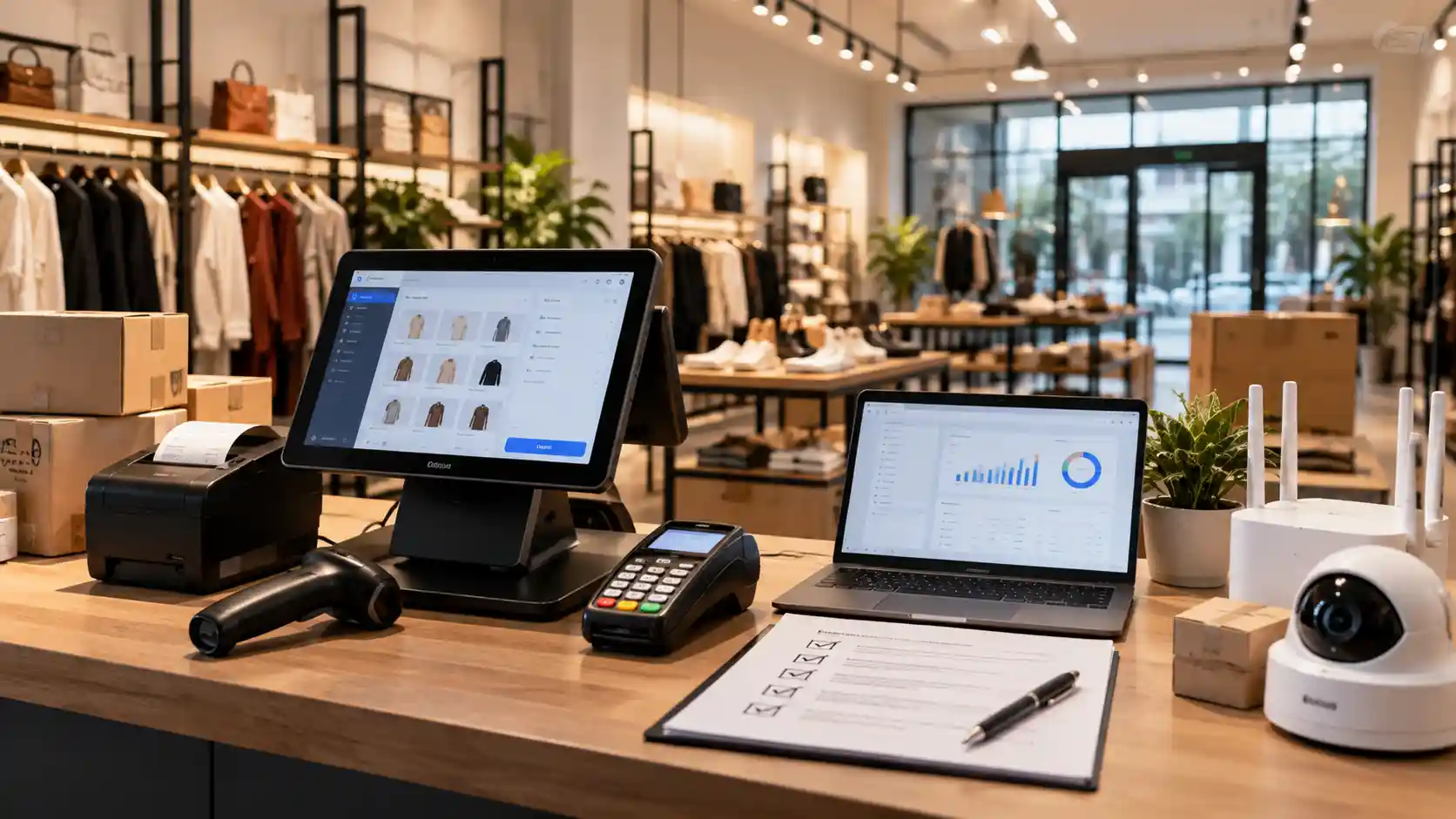
The lease is signed, the shelving is ordered and the stock is on its way. Then someone asks when the internet will be connected, and nobody knows. It is a common story, which is why a new retail store technology checklist belongs in the project plan from day one. Technology decides whether you open on time, whether the first card payment goes through and
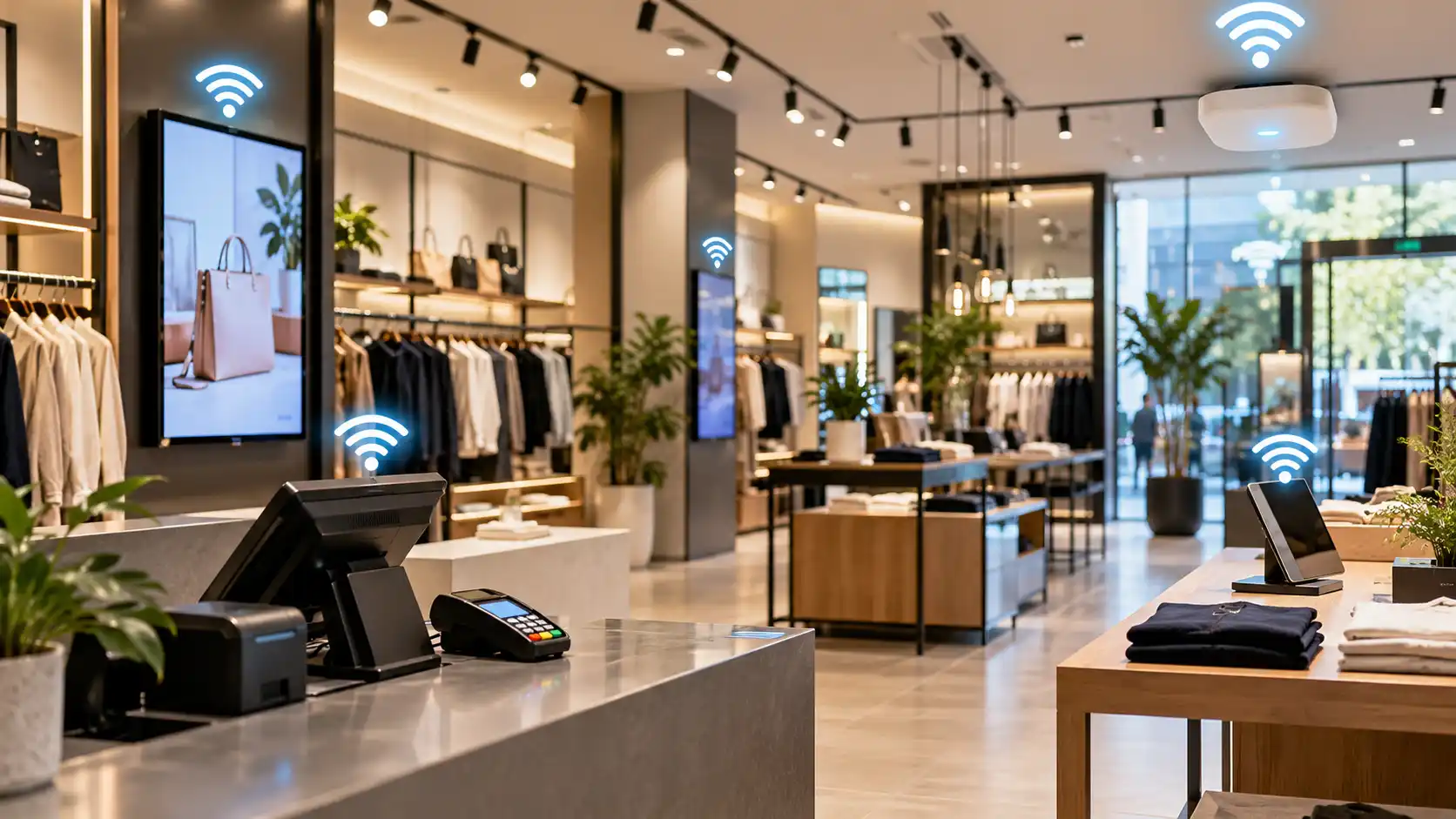
A shopper picks up a jacket, checks stock for another size on a staff tablet, then waits at the counter while the card terminal searches for a connection. Nobody blames the Wi-Fi. They blame the shop. That is why retail Wi-Fi solutions now matter well beyond the back office. Wi-Fi sits behind payments, stock lookups, digital displays and the free connection offered to customers.
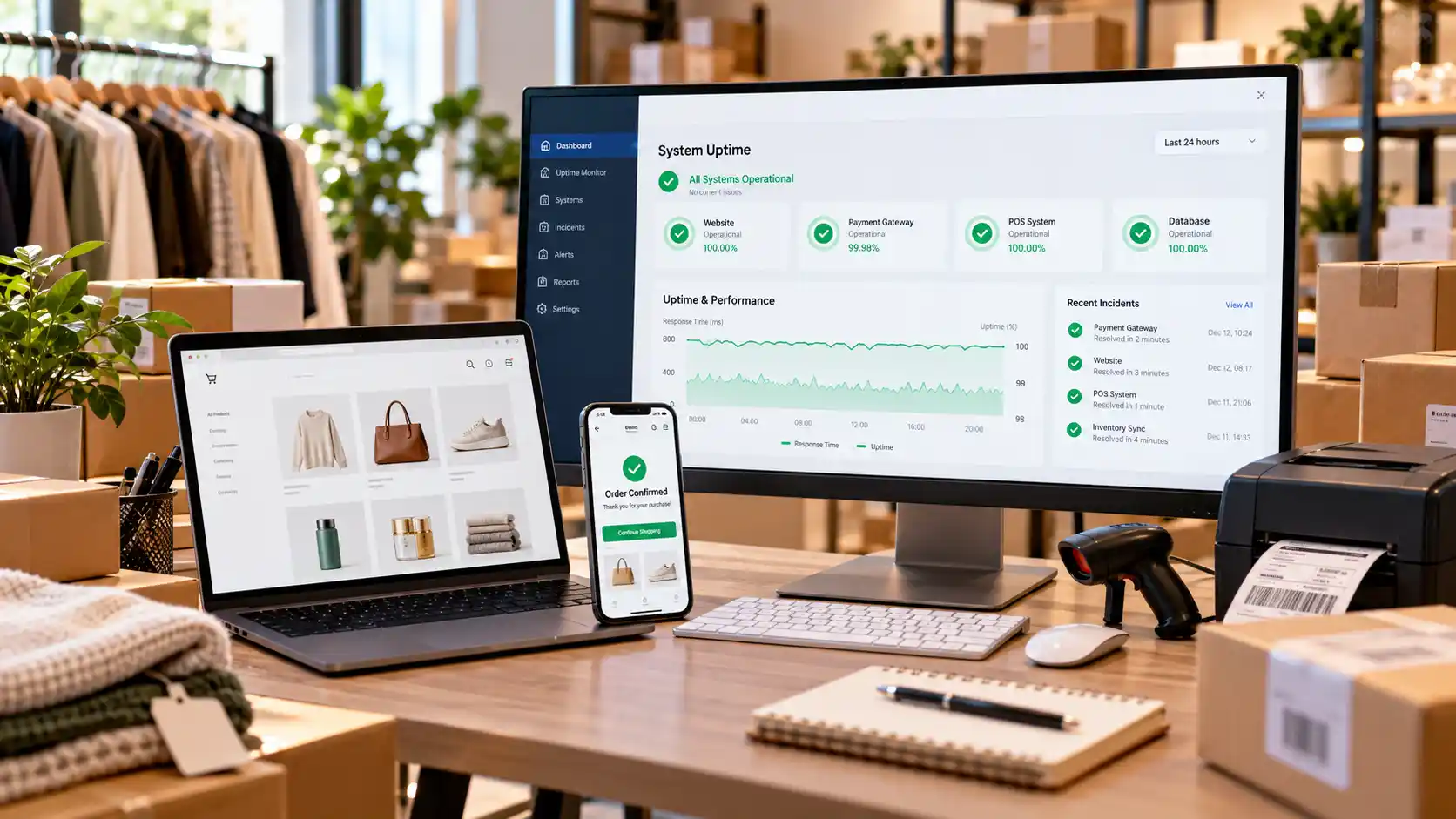
It is the Saturday of a major sale. The queue reaches the door, and then the card terminals stop responding. Within minutes, staff are apologising, shoppers are leaving baskets on the counter, and the best trading day of the quarter is slipping away. Retail IT downtime is rarely dramatic, but it is costly, and it tends to strike when stores are under the most
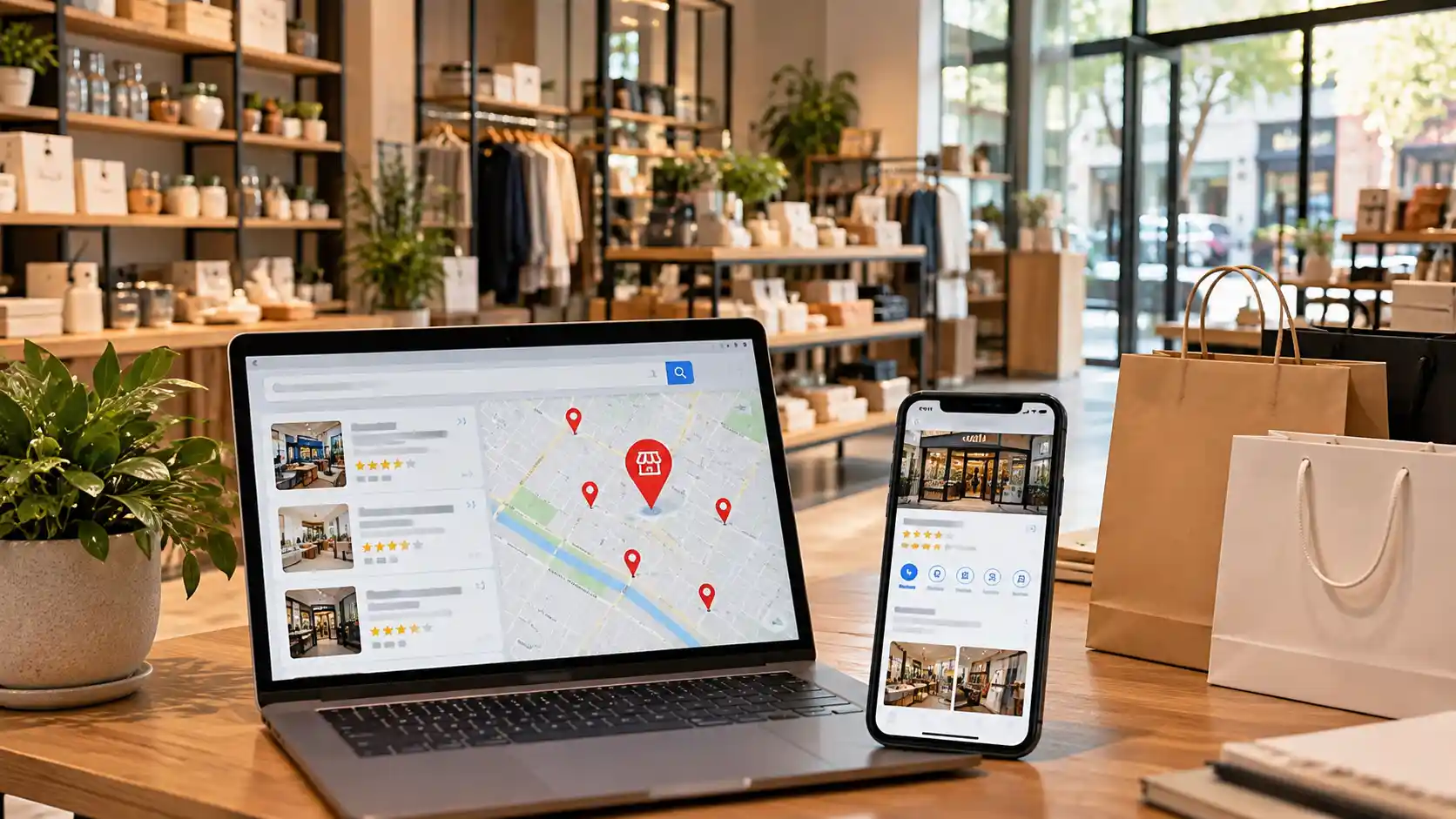
Think about the last time you needed something in a hurry: a birthday present, a phone charger, new running shoes. You probably picked up your phone, typed what you wanted and added "near me". Within seconds, a map appeared with a handful of shops, their star ratings, opening hours and a button for directions. That short list is where many retail sales are now

Watch how people shop now. They use a mobile-first websites and spot a product on social media over lunch, compare prices on the train home and buy before bed, often without opening a laptop once. For many customers, the phone is no longer the second screen. It is the shop. That changes what a retail website has to do. A site designed for a
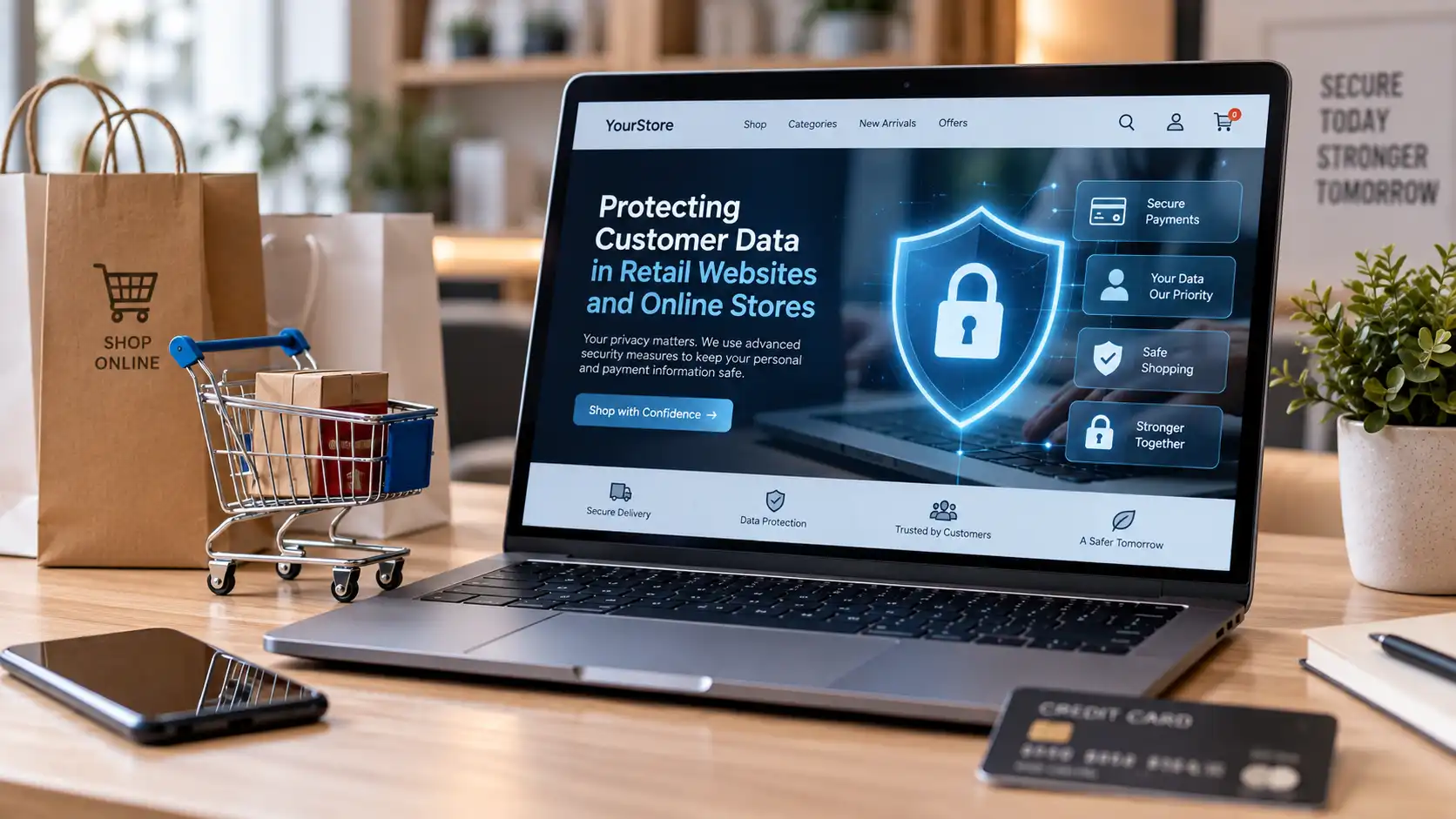
Every online order leaves a trail. A name, an email address, a delivery address, an order history and sometimes a stored card token — gathered in seconds at checkout, then scattered across a website database, an email platform, a shipping tool and a spreadsheet somebody exported two years ago and never deleted. Most retailers file that information under admin. Attackers treat it as inventory.
Online security in retail used to be a business of doors, keys and a cash drawer. Lock up at close, bank the takings, done. The modern version looks nothing like that. A single store might run an online shop, a payment gateway, a click-and-collect system, a supplier portal, a point-of-sale terminal and a customer database — most of it hosted elsewhere and reachable